Dental crowns and bridges are both fixed restorations, but they solve different problems.
A crown covers and restores a tooth that is still present, or forms the visible restoration on top of a dental implant. A bridge replaces one or more missing teeth by spanning the gap between suitable supports.
In simple terms, a crown restores a tooth; a bridge replaces a missing tooth or teeth. The choice depends on what is present in the mouth, the condition of the supporting teeth and gums, the bite and whether a more conservative or implant-supported option should be considered.
Dental Crowns
A crown covers a tooth more extensively than a filling or veneer. It may be considered when there is major structural loss, a large failing restoration, significant fracture, heavy wear or another reason for full coverage.
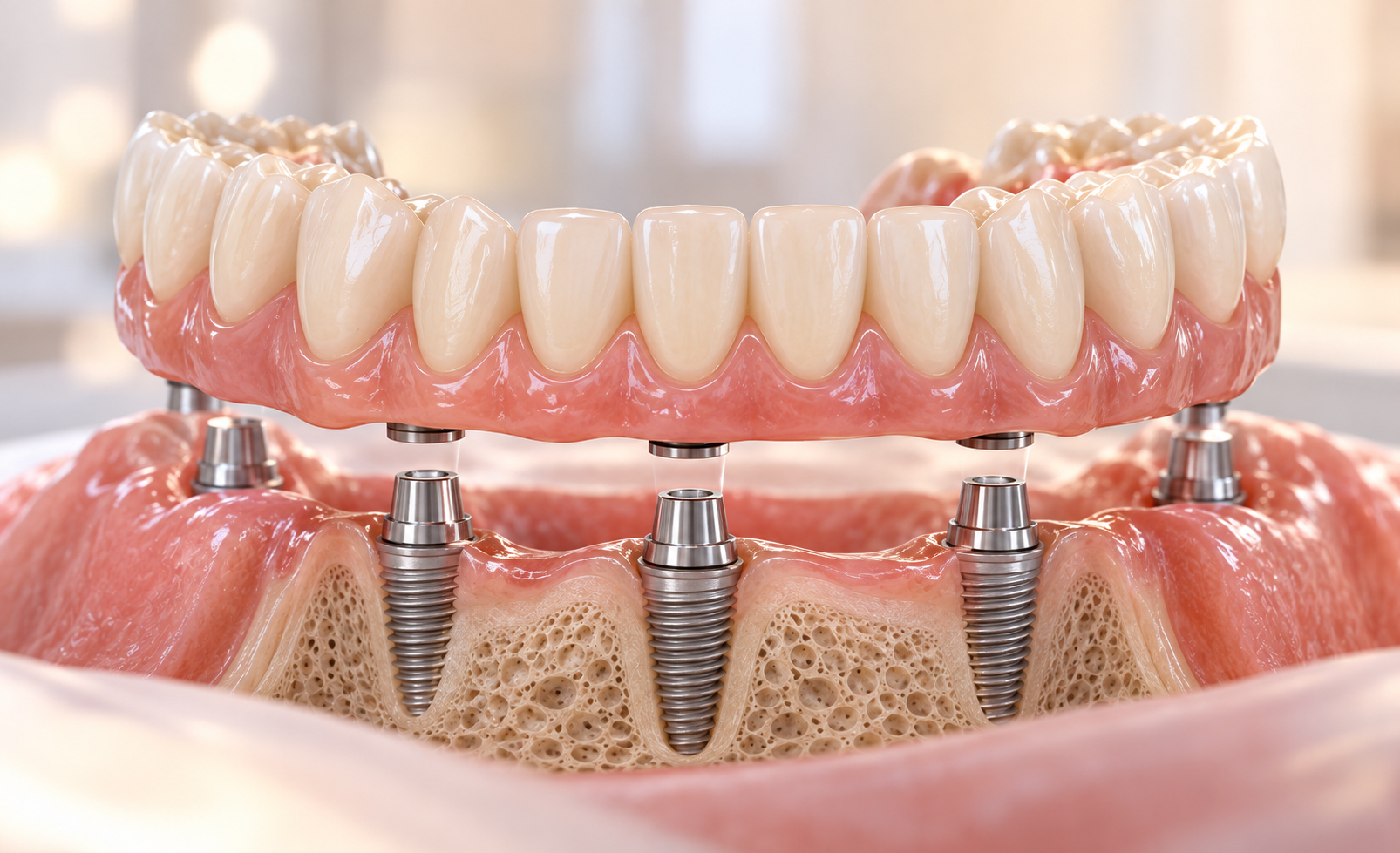
Crowns can also form the visible restoration on dental implants.
A crown is not automatically the best answer whenever a tooth looks damaged. If a more conservative restoration can protect and restore the tooth adequately, that option should also be considered.
Dental Bridges
A dental bridge replaces one or more missing teeth.
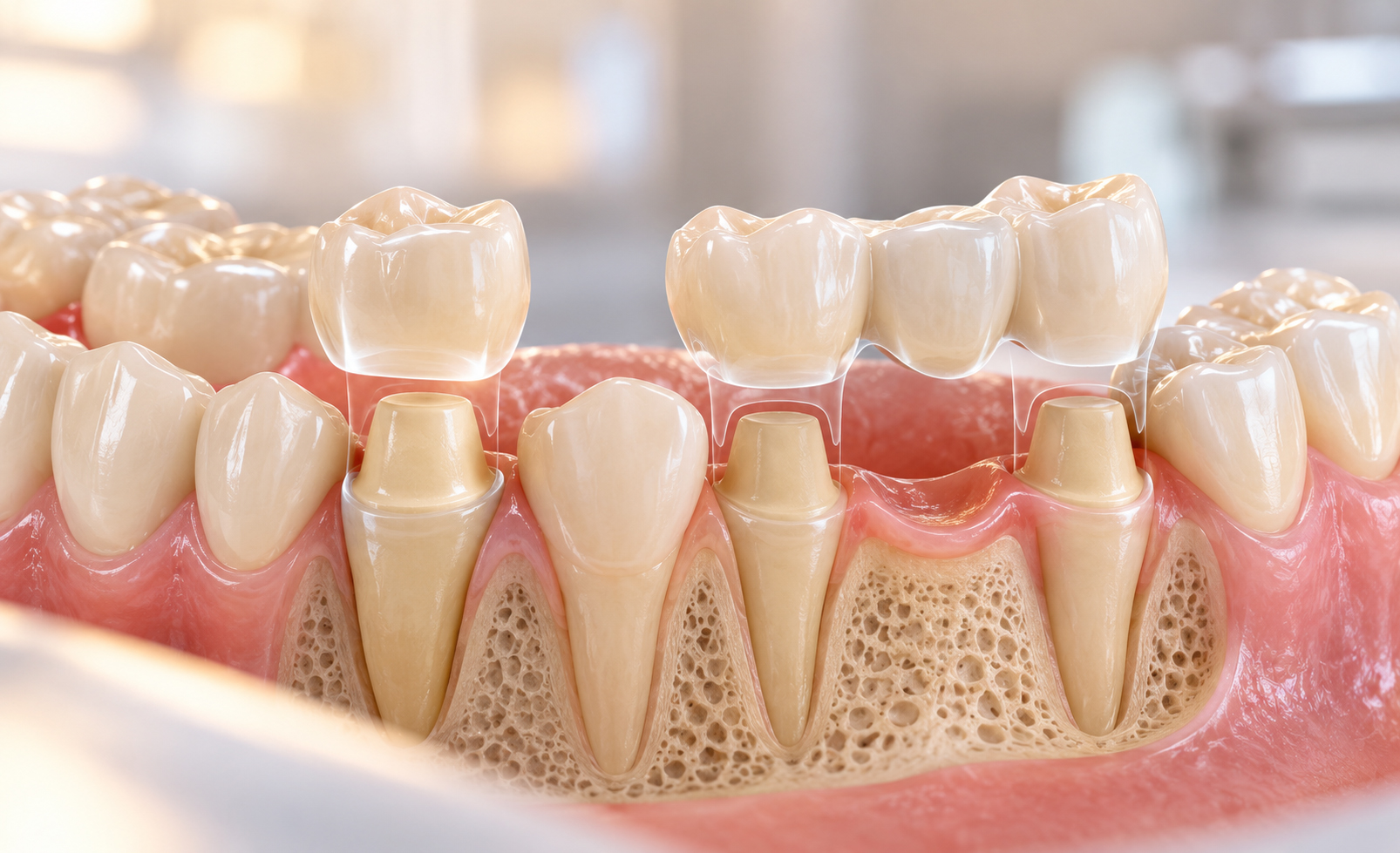
A traditional tooth-supported bridge commonly uses abutment teeth on either side of the gap. These teeth are prepared for crowns or retainers, with one or more artificial teeth, known as pontics, connected between them.
Other designs exist, including resin-bonded and implant-supported bridges. The most appropriate support depends on the location of the missing teeth, the condition of the potential abutments, bite forces and the wider prosthetic plan.
Why a Crown Cannot Replace a Missing Tooth on Its Own
A crown needs something to cover or attach to. On a natural tooth, it fits over prepared tooth structure. On an implant, it connects to the implant restoration.
If no tooth or implant is present, a crown alone cannot fill the missing-tooth space. A bridge replaces the gap by connecting the replacement tooth to suitable supporting teeth or implants.
This distinction is more important than the material used or the appearance of the final restoration.
Supporting Teeth in a Traditional Bridge
A conventional bridge depends on the teeth beside the gap. These abutments need enough structural and periodontal support to carry the restoration.
The dentist considers existing fillings or crowns, remaining tooth structure, gum and bone support, decay risk, tooth position, bite forces and whether the restoration can be cleaned effectively.
If neighbouring teeth are already heavily restored, using them as bridge abutments may fit the treatment plan differently from preparing otherwise intact teeth.
Tooth Preparation
For a conventional crown-retained bridge, supporting teeth generally need preparation. This is one of the main biological differences between a traditional bridge and a single-tooth implant replacement.
The extent of preparation and its implications depend on the starting condition of the teeth. It is therefore too simplistic to say that every bridge “sacrifices healthy teeth”, although preparation of sound tooth structure remains an important consideration.
A full crown also usually requires more preparation than a direct filling or many partial-coverage restorations. The indication should be justified by the amount of damage and the structural support required.
Root-Treated Teeth and Crowns
Root canal treatment and final restoration are separate decisions.
Some root-treated teeth need cuspal coverage or a crown because of structural loss and functional load, while others can be restored more conservatively.
The amount of remaining tooth structure, tooth position, crack risk, cavity size and chewing forces all influence the choice.
Bridge and Implant Are Different Missing-Tooth Strategies
A traditional bridge uses neighbouring teeth for support. An implant-supported replacement adds surgical, bone and soft-tissue considerations but can avoid using adjacent teeth as conventional abutments.
Neither approach is universally better. The bridge-versus-implant decision depends on the condition of neighbouring teeth, bone and gum health, surgical suitability and the wider treatment plan.
Cleaning and Maintenance
Crowns require plaque control around their margins and the supporting tooth or implant. Bridges also need cleaning around the abutments and underneath the pontic.
Depending on the design, this may involve brushing, interdental brushes, floss threaders or other aids recommended for the restoration.
A bridge that cannot be cleaned effectively can increase long-term risk for supporting teeth and gums.
Longevity and Possible Problems
There is no universal lifespan for crowns or bridges. Long-term performance depends on material, design, bite forces, grinding, oral hygiene, the condition of supporting teeth, periodontal health and maintenance.
Problems can include decay around a supporting tooth, gum inflammation, loosening, chipping or fracture, bite discomfort, or pulpal and root problems in an abutment tooth.
Persistent pain, mobility or a bridge that feels loose should be assessed rather than ignored.
Crown and Bridge Planning at Güler Dent
Prosthetic Dentistry is one of the main clinical service areas at Güler Dent in Samsun, Turkey.
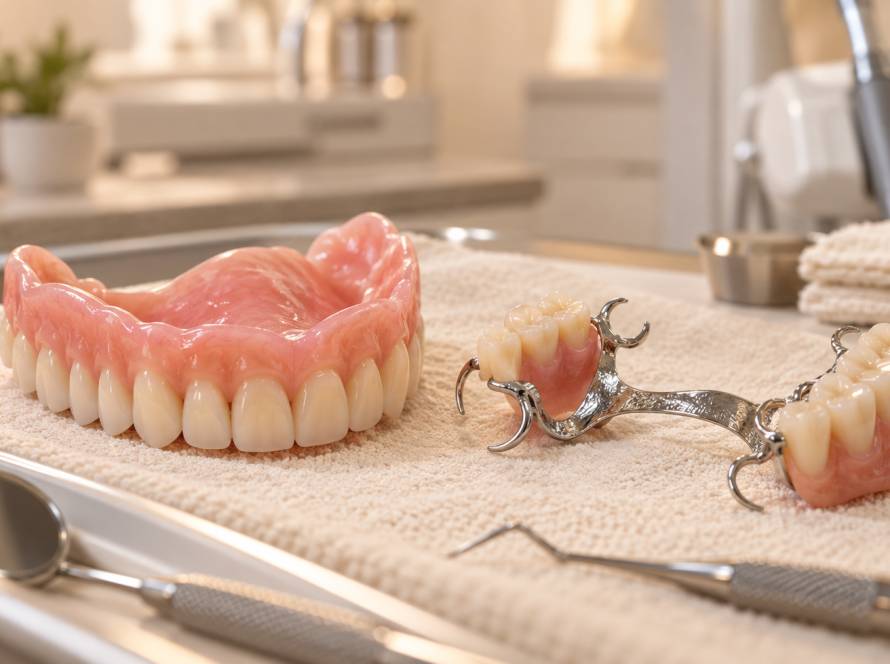
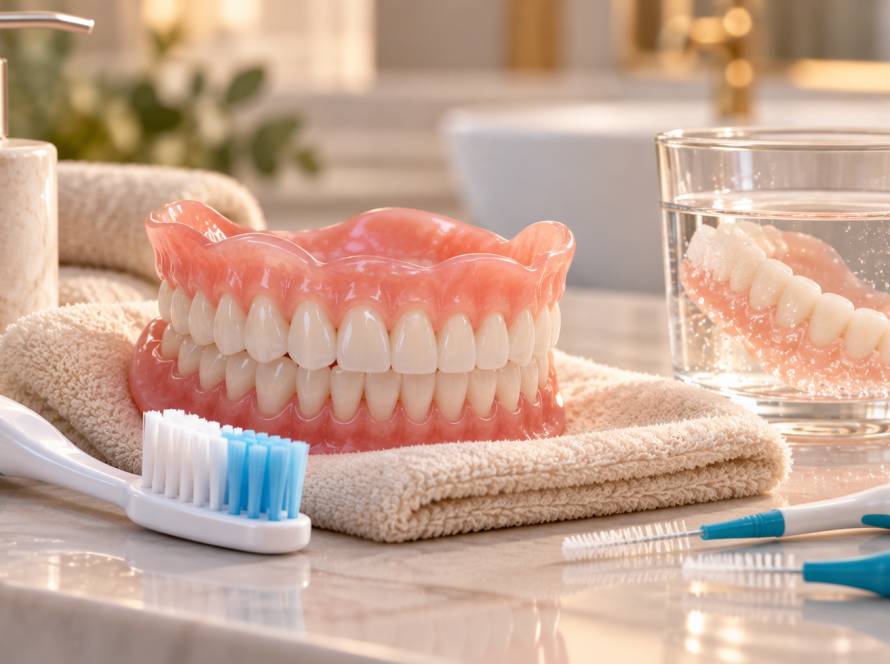
Güler Dent provides crowns, bridges, complete and partial dentures and implant-supported prostheses. Monolithic zirconia is one material option. The clinic also has its own prosthesis laboratory.
Material choice and restoration design depend on the tooth or missing-tooth situation, bite, hygiene and supporting tissues rather than on using one prosthetic solution for every patient.