Gum Disease Treatment in Turkey: Periodontology at Güler Dent
Periodontology deals with the gums and the tissues that support the teeth. Bleeding gums, swelling, recession, persistent bad breath or tooth mobility can be signs that periodontal assessment is needed, but gum disease is not diagnosed from symptoms alone.
Contents
ToggleFor patients considering gum disease treatment in Turkey, a key distinction is whether inflammation is limited to the gums or whether the supporting tissues and bone have been affected. Gingivitis and periodontitis are not the same condition and should not be treated as one “deep-cleaning package.” Periodontal treatment can involve oral-hygiene measures, professional removal of deposits, cleaning below the gum line, reassessment and, in selected cases, periodontal surgery. Long-term maintenance is especially important after periodontitis.
Gingivitis and Periodontitis: What Is the Difference?
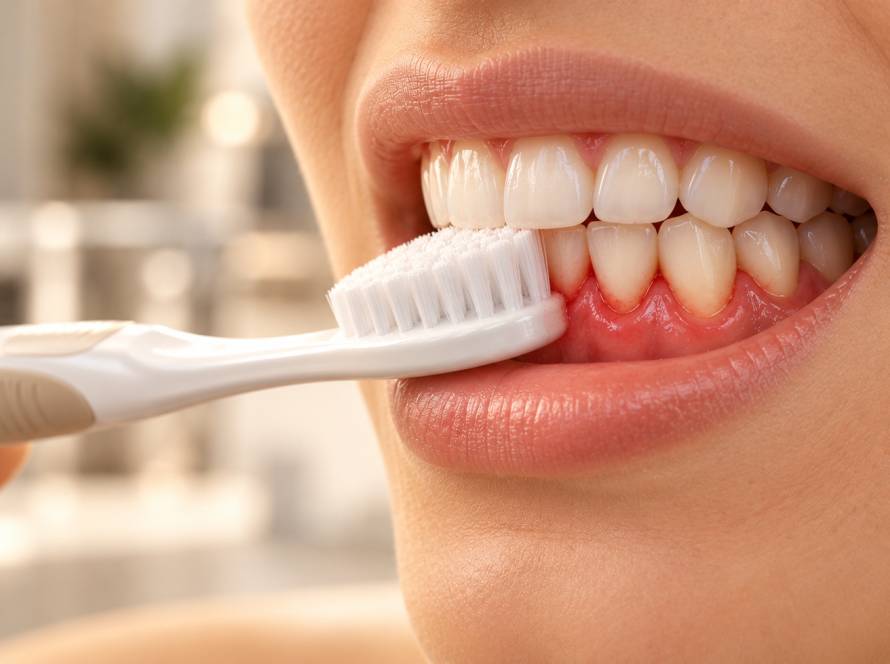
Gingivitis is inflammation limited primarily to the gum tissue. Redness, swelling and bleeding can occur, and the condition can often be controlled with professional care and effective daily plaque control.
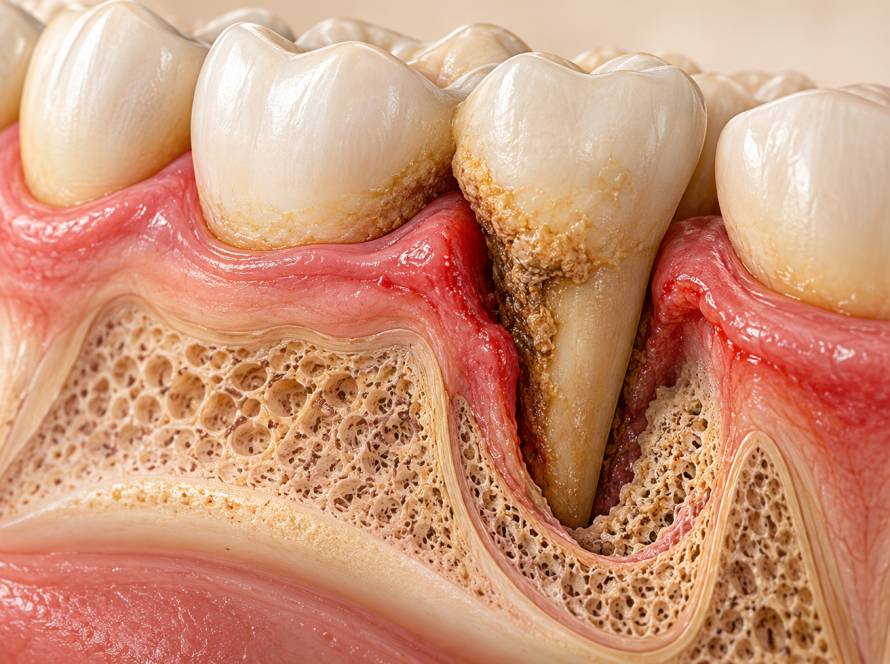
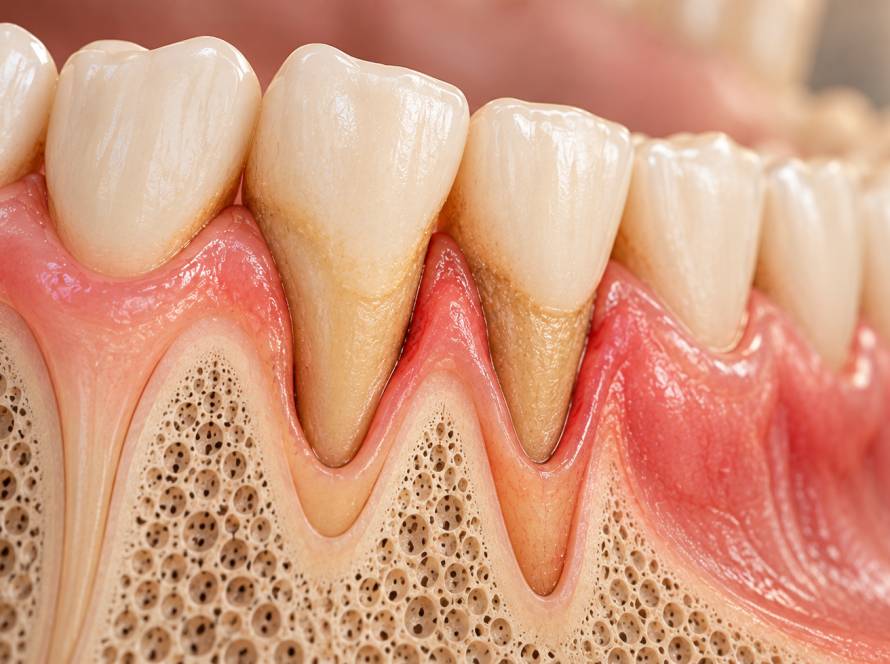
Periodontitis involves loss of the tissues and bone supporting the teeth. Periodontal pockets, attachment loss, bone loss and, in more advanced disease, tooth mobility can occur.
The distinction requires periodontal examination and may also involve dental imaging. Pain is not a reliable measure of severity because periodontal disease can progress with few symptoms.
What Happens During a Periodontal Assessment?
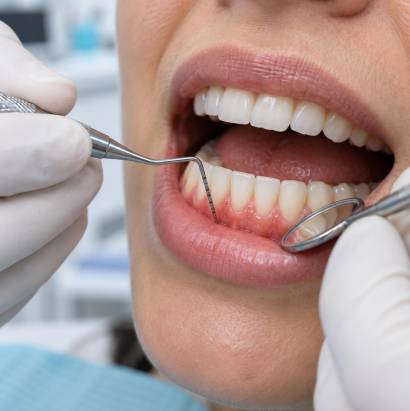
Assessment can include plaque and calculus levels, bleeding, gum recession, periodontal pocket measurements, tooth mobility, bite-related findings and individual risk factors. A periodontal probe is used to measure the space between the tooth and gum at different sites.
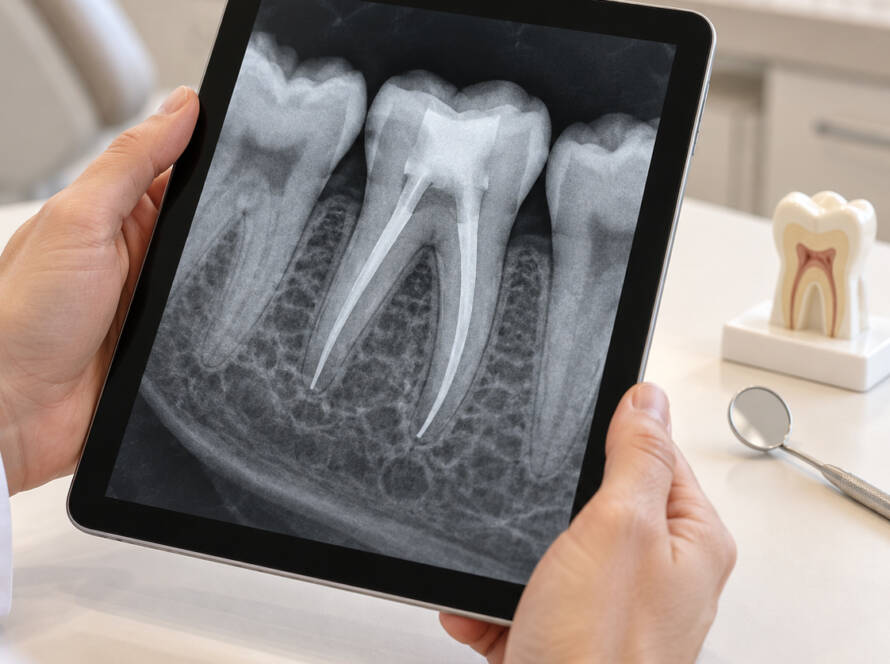
Radiographs may be used when clinically indicated to assess supporting bone and other relevant findings. The imaging method is selected according to the clinical question.
Routine Cleaning and Periodontal Treatment Are Not the Same
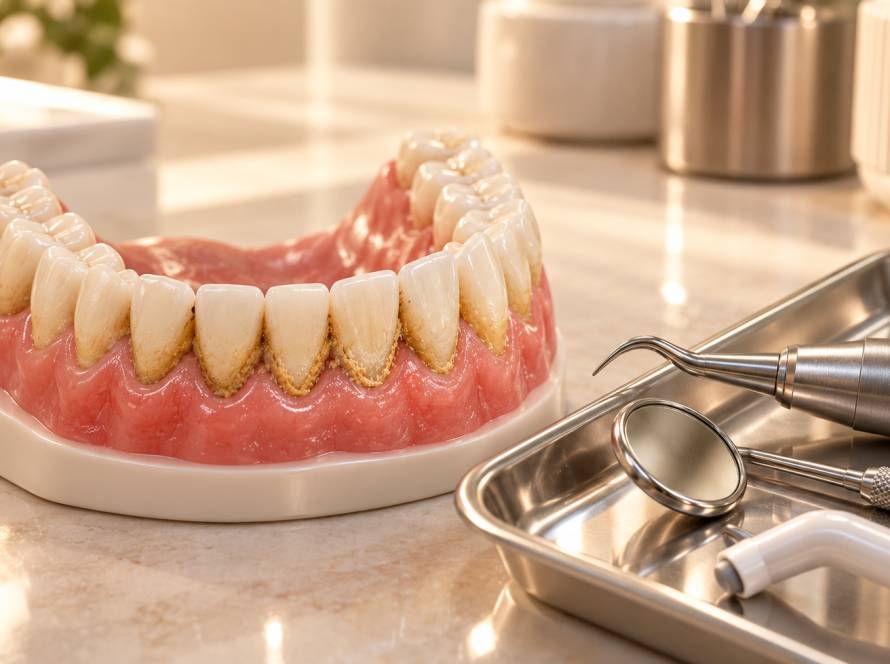
A routine professional cleaning removes plaque and calculus from accessible tooth surfaces and can be an important part of preventive care. It should not, however, be treated as equivalent to the full management of periodontitis.
When periodontal pockets contain subgingival deposits and inflammation, non-surgical periodontal treatment may involve mechanical debridement of root surfaces below the gum line, together with plaque-control instruction and management of relevant risk factors. The extent of treatment is based on pocket depth, disease distribution and tissue response rather than a standard “deep cleaning” package.

Non-Surgical Periodontal Treatment
Treatment commonly begins with improving daily plaque control and professionally removing plaque and calculus. When deposits and inflammation extend below the gum line, scaling and root-surface debridement may form part of non-surgical periodontal treatment.
This is different from a routine surface cleaning. The extent of treatment depends on pocket depth, disease distribution and the condition of the root surfaces.
After treatment, periodontal tissues should be reassessed. If significant pockets or other problems remain, additional non-surgical care or surgical options may be considered.
When May Periodontal Surgery Be Considered?
Surgery is not required for every person with periodontitis. It may be considered when non-surgical treatment does not adequately resolve particular deep pockets, when certain bone or soft-tissue problems remain, or when anatomy makes long-term cleaning difficult.
Gum recession is another area in which treatment varies. The cause, progression risk, root exposure, sensitivity, tissue characteristics and aesthetic concerns should be assessed first. Some cases can be monitored after controlling the cause; selected cases may be considered for root-coverage or other soft-tissue procedures.
Smoking, Diabetes and Periodontal Risk
Smoking is an important risk factor for periodontitis and can adversely affect tissue response and healing. It can also make bleeding less obvious, so an absence of visible bleeding does not prove periodontal health.
Diabetes and periodontitis have an important relationship. Poorly controlled diabetes can increase periodontal risk and severity, while periodontal inflammation can also complicate glycaemic management. Dental and medical care have different roles, and general health should be considered in treatment planning.
Periodontal Treatment Stages for International Patients
Periodontal care may involve more than one stage. Initial assessment establishes whether inflammation is limited to the gums or whether periodontitis has affected the supporting tissues. Active treatment may then include oral-hygiene measures and non-surgical periodontal therapy, followed by reassessment to see how the tissues have responded. Selected sites may require further treatment, while patients with a history of periodontitis generally need an ongoing maintenance strategy.
For someone travelling to Turkey for periodontal care, this means the appointment plan should reflect the disease extent and the need for reassessment rather than assume that one cleaning completes treatment. Long-term periodontal maintenance can continue with an appropriate dental professional after the patient returns home, with further review based on individual findings.
Peri-Implant Tissue Health
Implants are also surrounded by soft tissue and supporting bone that can develop inflammatory disease. Peri-implant mucositis involves inflammation in the soft tissues, while peri-implantitis also includes supporting bone loss.
A history of periodontitis, poor plaque control, smoking and diabetes can all be relevant to peri-implant risk. Periodontal stability before implant treatment and continuing plaque control and professional monitoring afterwards are therefore important parts of long-term implant care.
Why Maintenance Matters
Periodontal treatment does not end when active treatment is completed. A history of periodontitis carries a continuing risk of recurrence or progression. Maintenance intervals are therefore individualised according to disease history, remaining pockets, plaque control, smoking, diabetes and other risk factors.
This is particularly relevant for patients who live outside Turkey: periodontal health requires an ongoing maintenance strategy wherever the patient receives continuing dental care. The exact follow-up pathway should be based on the individual periodontal condition rather than a fixed schedule for everyone.
Gum Health Before Implants or Aesthetic Dentistry
Active periodontal inflammation can affect planning for implants, crowns, veneers and other restorative treatment. Periodontal stability may therefore need to be addressed before other dental procedures.
Implants also require monitoring of the surrounding tissues. Peri-implant mucositis affects the soft tissue around an implant; peri-implantitis also involves supporting bone loss. Plaque control and professional monitoring remain important after implant treatment.
Treatment Duration and Cost Factors
There is no single duration for periodontal treatment. Gingivitis, localised periodontitis and more extensive disease do not require the same care. The number of areas involved, whether non-surgical treatment is sufficient, the need for reassessment, possible surgical treatment and the long-term maintenance plan can all affect the overall course.
Cost is likewise determined by the clinical scope rather than by a single “cleaning” fee. The extent of periodontal treatment, the number of sites involved, whether surgery is required and the follow-up and maintenance needs can all influence the plan. Individual fees can only be established after periodontal assessment.
Periodontal Care at Güler Dent
Güler Dent in Atakum, Samsun, Turkey considers periodontal health within the wider treatment plan rather than as an isolated cleaning procedure.
Smiles Shaped by Science, Experience, and Trust
Founder Dr. Dt. Şevki Güler graduated from Samsun 19 Mayıs University Faculty of Dentistry and previously served as Head of the Department of Periodontology at Bolu Abant İzzet Baysal University Faculty of Dentistry.
Frequently Asked Questions
Is bleeding from the gums normal?
Is scaling the same as periodontitis treatment?
Can gum recession be treated?
Can gum disease return?
Does smoking affect gum treatment?
Can gum disease affect implant planning?
Periodontal Consultation in Samsun, Turkey
If you have bleeding gums, recession, periodontal pockets, tooth mobility or a history of gum disease, a periodontal consultation can establish whether the condition is gingivitis, periodontitis or another problem and whether active treatment, reassessment or long-term maintenance is needed. For patients travelling from abroad, the treatment sequence should be based on periodontal findings rather than a standard one-visit cleaning plan. To arrange a gum-health assessment with Güler Dent Ağız ve Diş Sağlığı Polikliniği, contact the clinic at the details below.
- Address: Mimarsinan Mahallesi, Atatürk Boulevard, No: 266, Atakum, Samsun, Turkey
- Phone: +90 552 439 00 01
Diagnosis, treatment needs and maintenance intervals are determined through an individual periodontal assessment.
This page is for general information and does not replace an individual periodontal examination.