Gums can bleed when the tissue is inflamed, irritated or more prone to bleeding than usual. One of the most common dental causes is plaque-related gingivitis, which can make the gums red, swollen and likely to bleed during brushing or interdental cleaning. Bleeding can also be influenced by brushing trauma, hormonal changes such as pregnancy, some medicines and, less commonly, medical conditions that affect clotting.
Healthy gums should not routinely bleed with gentle daily cleaning. A single small episode after accidental trauma does not diagnose gum disease, but repeated bleeding deserves attention. How the bleeding behaves over time can help narrow the cause: note whether it occurs only during cleaning or starts spontaneously, whether the same areas are involved, and whether swelling, medicines or health conditions may also be contributing.
Common Dental Causes of Bleeding Gums
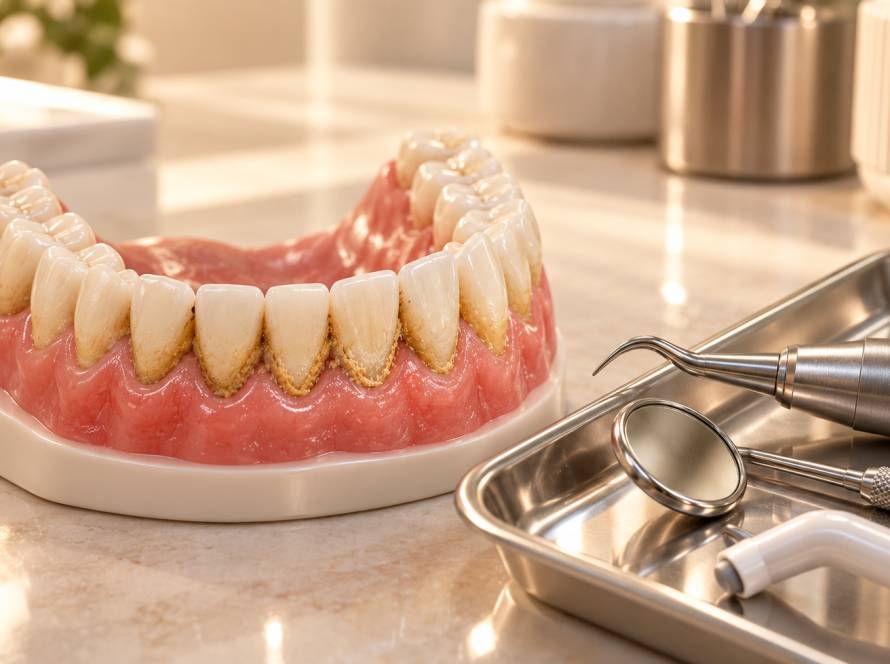
Plaque accumulating along the gumline can trigger an inflammatory response. The gingival tissues may become swollen and bleed more easily when touched. This is commonly seen in gingivitis. Plaque that remains on the teeth can also mineralise into calculus, which cannot be removed with a toothbrush alone and may require professional cleaning.
Inflamed gums can bleed even when brushing and interdental cleaning are carried out correctly. For that reason, avoiding an area simply because it bleeds can allow more plaque to accumulate and may make the inflammation worse.
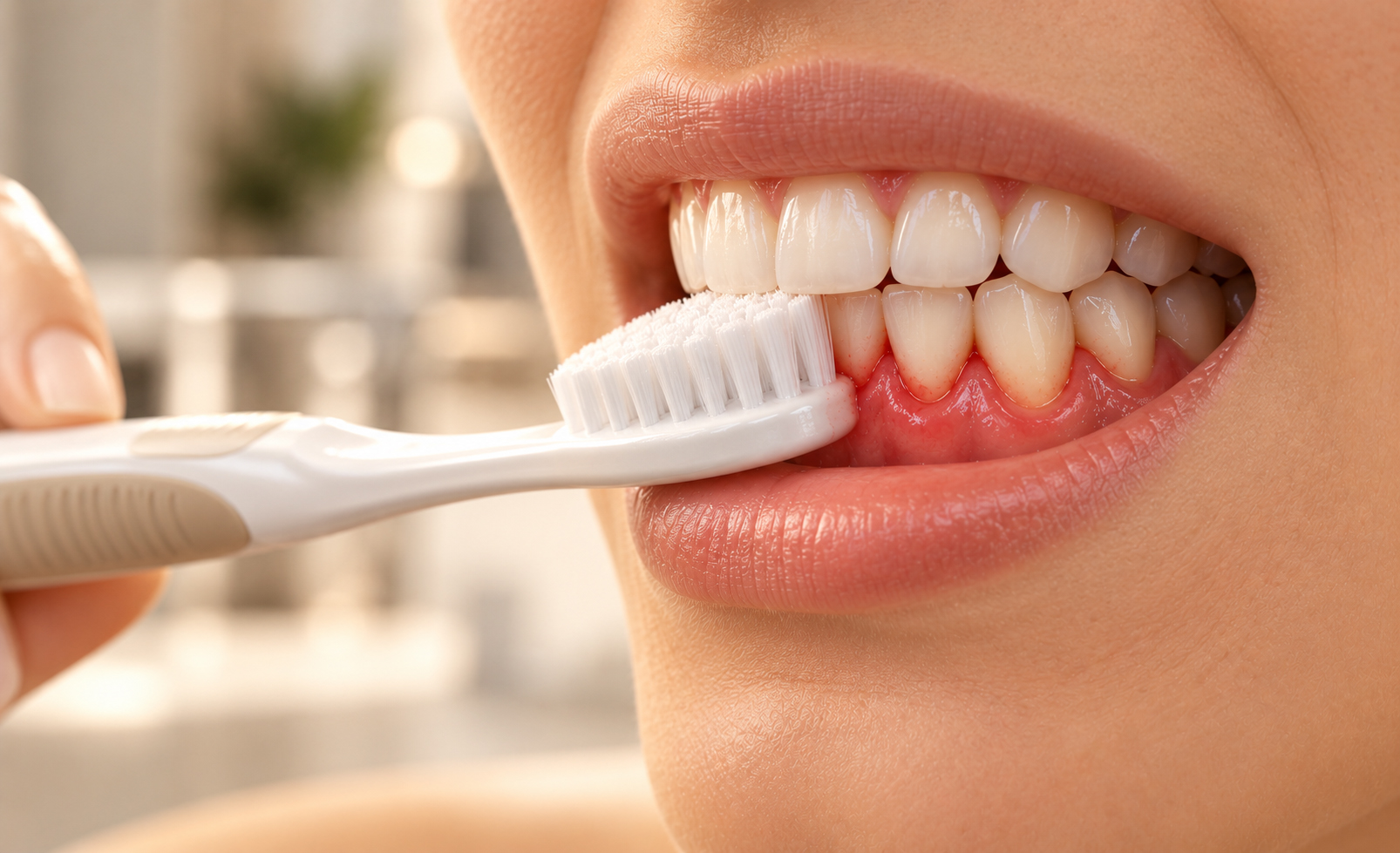
Trauma can also play a part. Very forceful brushing or aggressive use of floss and interdental aids can injure the gum margin. The aim is to distinguish mechanical trauma from underlying inflammation rather than assuming that all bleeding is caused by cleaning technique.
Bleeding During Brushing or Flossing
Bleeding during brushing or interdental cleaning often reflects inflammation at the gum margin, particularly when it happens repeatedly in the same areas and is accompanied by redness or swelling.
People who restart interdental cleaning after a long break may notice some bleeding at first. Even then, the condition of the gums remains important. If the bleeding continues, becomes more noticeable or is accompanied by other periodontal signs, a dental assessment can help identify the cause.
Cleaning should remain gentle and consistent. Persistent bleeding is a reason to investigate the gums, not a reason to stop cleaning them.
Gingivitis and Periodontitis Are Not Diagnosed by Bleeding Alone
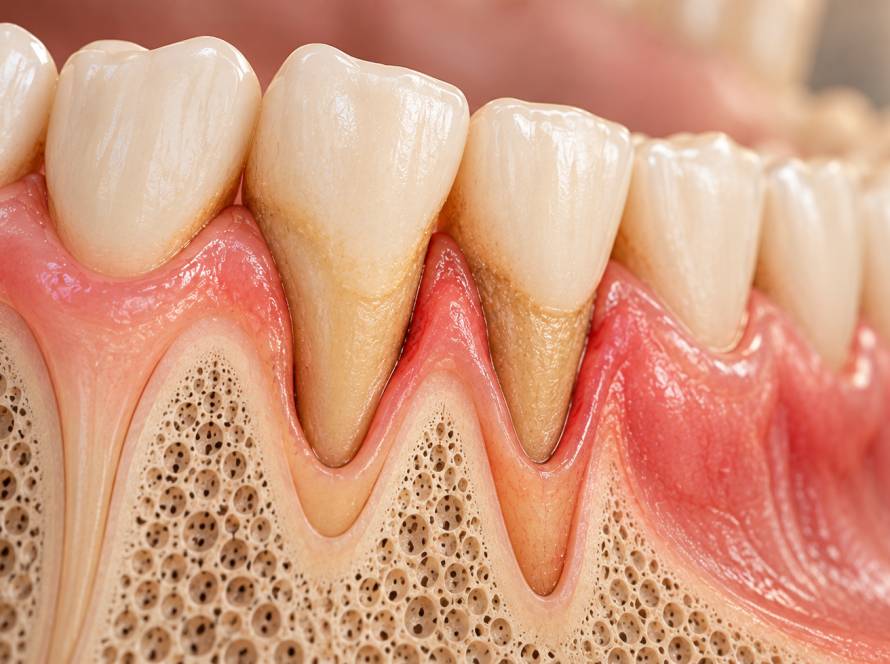
Gingivitis is inflammation limited to the gums and commonly causes bleeding, redness and swelling without the attachment and bone loss that define periodontitis.
Periodontitis affects the supporting tissues around the teeth and may involve clinical attachment loss and bone loss. Bleeding can occur with periodontitis as well, but the amount of blood a patient sees cannot determine the stage or severity of disease.
Diagnosis therefore depends on periodontal assessment, which may include examination of the gums, probing findings and, when clinically indicated, dental imaging.
Pregnancy, Medicines and General Health
Hormonal changes during pregnancy can make gingival tissues more reactive to plaque, so some people notice increased swelling or bleeding. Pregnancy does not make persistent bleeding something to ignore; good plaque control remains important and ongoing inflammation should still be assessed.
Anticoagulant and antiplatelet medicines can also influence bleeding. Patients should tell their dentist what they take and why. Prescribed medication should not be stopped, reduced or skipped because the gums are bleeding unless the clinician responsible for that medication advises it.
Most gum bleeding has a local oral explanation, but not every case does. Conditions that affect clotting, some nutritional deficiencies and certain systemic illnesses can contribute. Gum bleeding alone is not enough to diagnose a vitamin deficiency or blood disorder. Medical assessment becomes more important when bleeding is spontaneous or unusually heavy, does not stop as expected, or occurs with unexplained bruising or bleeding elsewhere.
Other Signs That Deserve Attention
Bleeding should be interpreted alongside other changes. Persistent redness or swelling, bad breath that does not improve with routine care, gum recession, pus or a persistent bad taste, tooth mobility, discomfort when chewing or a change in the way the teeth fit together can all provide additional information.
Periodontal disease can progress without severe pain. Feeling little or no discomfort does not prove that the supporting tissues are healthy.
How Bleeding Gums Are Assessed
A dental or periodontal assessment can look at where the bleeding occurs, plaque and calculus levels, redness, swelling and recession, periodontal probing findings, tooth mobility, bite changes, existing restorations that make cleaning difficult, and relevant medical conditions or medicines.
Radiographs are not automatically required for every patient with bleeding gums. They may be considered when examination raises a question about supporting bone or another condition that cannot be assessed adequately by clinical examination alone.
What You Can Do at Home
Continue daily plaque control with gentle, effective brushing and appropriate interdental cleaning. Avoid scrubbing the gumline with excessive pressure, but do not stop cleaning areas that bleed repeatedly.
Mouthwash should not be used simply to disguise the symptom without addressing the cause, and supplements should not be started solely because online information links certain deficiencies with bleeding gums.
If the pattern is unclear, noting where the bleeding occurs, how often it happens and which other symptoms are present can be helpful when you attend an examination.
When to Arrange Professional Assessment
Repeated bleeding during normal gentle cleaning, bleeding that affects the same areas regularly, or bleeding accompanied by swelling, recession, persistent bad breath or tooth mobility should be assessed by a dentist.
New bleeding is also worth mentioning if a medicine or medical condition has recently changed. Heavy spontaneous bleeding, bleeding that is difficult to stop, or gum bleeding accompanied by unexplained bruising or bleeding elsewhere may require dental and medical assessment.
Periodontal Assessment at Güler Dent
Periodontology is one of the main clinical service areas at Güler Dent in Samsun, Turkey. Gum bleeding can be assessed in the context of plaque levels, gingival inflammation, periodontal tissues and the wider oral-health picture.
Founder Dr. Dt. Şevki Güler graduated from Samsun 19 Mayıs University Faculty of Dentistry and previously served as Head of the Department of Periodontology at Bolu Abant İzzet Baysal University Faculty of Dentistry.
The purpose of assessment is to identify the likely cause of bleeding and determine whether professional cleaning, periodontal treatment, changes in home care or additional investigation should be considered.