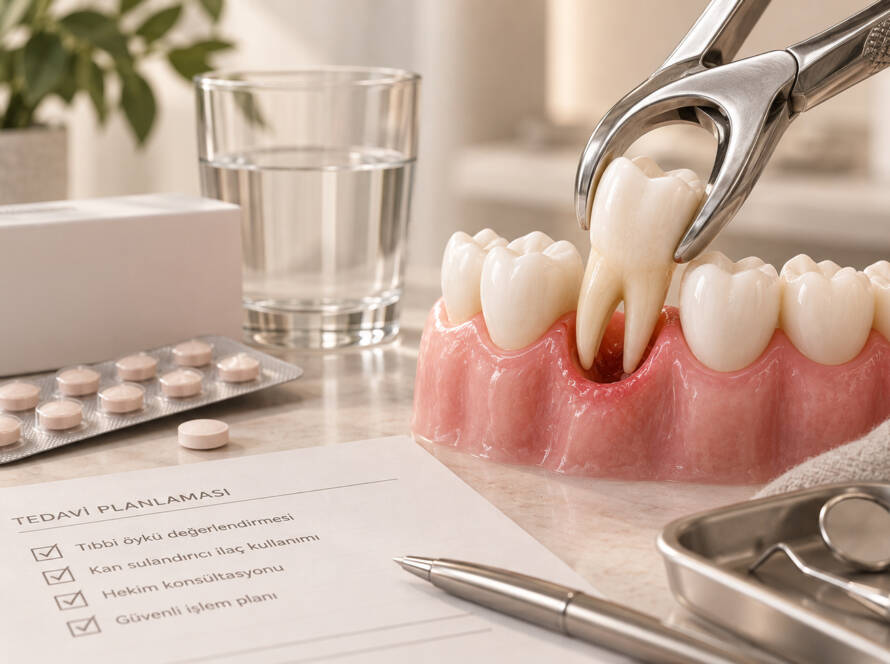
Some soreness, swelling and blood-stained saliva can occur after a tooth extraction. The most useful sign is the direction of change: symptoms that gradually settle are different from bleeding, pain or swelling that becomes more severe.
A simple extraction and a surgical extraction do not always heal in the same way. Wisdom-tooth surgery, bone removal, multiple extractions, medical conditions and prescription medicines can all affect recovery. Instructions from the clinician who performed the extraction therefore take priority over a generic online timetable.
Persistent active bleeding, rapidly increasing swelling, fever or pus, pain that becomes markedly worse instead of improving, or difficulty breathing or swallowing requires professional assessment. Breathing or swallowing difficulty needs urgent medical attention.
What Happens as the Socket Heals
After a tooth is removed, a socket remains in the jaw and a blood clot forms within it. The clot protects the underlying bone and nerve endings while new tissue begins to develop. Healing then progresses from the deeper tissues upwards.
During the early phase, the area can look unfamiliar and mild oozing, tenderness or swelling may occur, particularly after a more involved extraction. Aftercare is designed to protect the socket, control bleeding, maintain suitable oral hygiene and identify complications promptly.
Protecting the Blood Clot
The clot should not be removed or repeatedly checked. Strong suction, vigorous rinsing or mechanical disturbance can interfere with the early socket environment.
The exact advice about brushing, rinsing, eating and activity depends on the procedure. Avoid touching the socket repeatedly with the tongue, fingers or other objects. If you are unsure whether the area looks normal, professional assessment is safer than attempting to clean or manipulate it yourself.
Bleeding After an Extraction
A small amount of oozing or blood mixed with saliva can occur after extraction. This is different from active bleeding that continues to fill the mouth or fails to settle with the pressure method recommended by the treating clinician.
If gauze has been advised, use it as directed rather than removing it repeatedly to inspect the socket. Persistent, heavy or difficult-to-control bleeding needs professional review.
Patients taking anticoagulant or antiplatelet medication should not stop or alter prescribed treatment because of post-extraction bleeding unless the relevant clinician specifically advises it.

Pain and Swelling
Pain and tenderness vary according to the difficulty and extent of the procedure. A gradually improving pattern can fit normal recovery, while pain that becomes substantially worse, returns after initial improvement or is accompanied by fever, pus, a bad taste or increasing swelling should be reassessed.
Swelling can occur after oral surgery, particularly after more involved procedures. There is no universal day on which it must disappear. Rapidly expanding swelling, severe worsening pain or swelling that affects swallowing, breathing or the ability to manage oral secretions is more concerning.
Airway or swallowing difficulty requires urgent medical care.
Dry Socket
Dry socket, or alveolar osteitis, is a painful complication that can occur when the protective socket clot is lost or breaks down too early. It often causes significant pain that does not follow the expected improving pattern, and bad taste or bad breath may occur.
Not every painful extraction socket is dry socket. Infection, food debris, local trauma and other causes can produce similar symptoms. Diagnosis is clinical, and treatment may include cleaning the socket and placing a medicated dressing when appropriate.
Eating and Drinking During Early Healing
In the early phase, foods that do not require heavy chewing over the extraction site are often easier to manage. Very hot foods and drinks may be uncomfortable while the tissues are numb or sensitive, while hard or sharp foods can irritate the wound mechanically.
The return to normal eating depends on the extraction, whether several teeth were removed and how healing is progressing. A universal food schedule cannot replace individual instructions.
Oral Hygiene
Oral hygiene should continue after extraction, although the fresh socket usually needs a modified approach initially. Other teeth can generally continue to be cleaned carefully.
The timing for brushing close to the socket or using a rinse depends on the procedure. Forceful rinsing in the early phase can disturb the wound and should be avoided unless the treating clinician has given different instructions.
Once the area is ready for normal hygiene, keeping plaque and food debris under control supports oral health during healing.
Smoking and Healing
Smoking and tobacco use can interfere with wound healing and are associated with a higher risk of post-extraction complications, including dry socket.
Patients who smoke should discuss the recovery period and cessation support with their dental team. There is no single number of smoke-free days that can be presented as universally safe because surgical extent and individual risk differ.
When to Contact a Dentist
Arrange professional review if bleeding remains active despite the recommended pressure method, pain is severe or escalating, swelling is rapidly worsening, fever or systemic illness develops, pus or persistent foul-tasting discharge appears, or the socket becomes increasingly painful rather than more comfortable.
Unexpected numbness that causes concern, a lost suture or another post-operative issue affecting the wound should also be discussed with the treating clinician.
Difficulty breathing or swallowing, or rapidly spreading swelling that threatens the airway, requires urgent medical care.
Tooth Extraction Aftercare at Güler Dent
Oral & Maxillofacial Surgery is one of the main clinical service areas at Güler Dent in Samsun, Turkey. Güler Dent provides selected tooth and impacted-tooth extractions.
Aftercare depends on the procedure performed, the wound, medicines and the individual clinical findings. Unexpected or worsening symptoms should be assessed rather than assumed to be a normal part of healing.