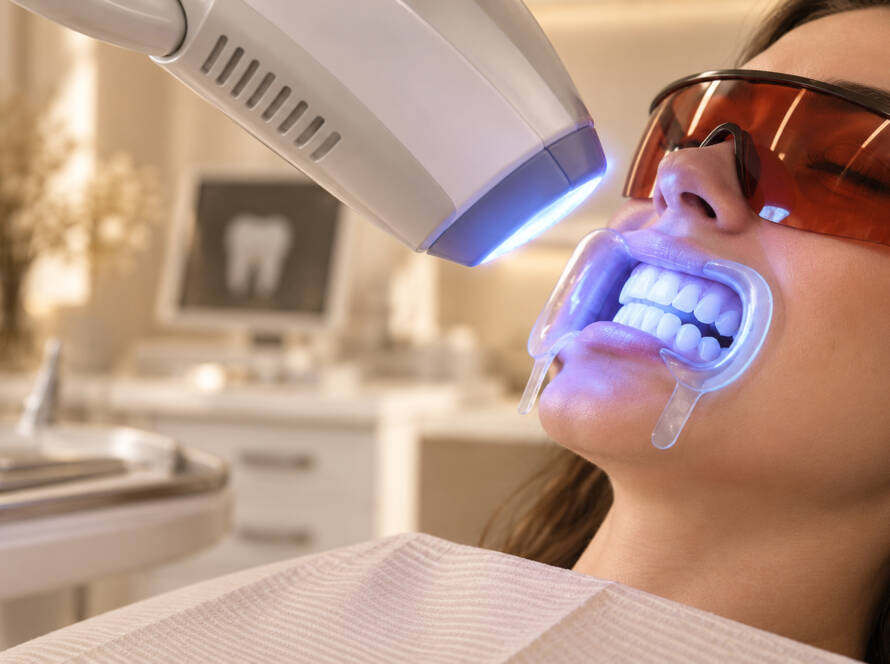
Not every cosmetic dental treatment requires teeth to be shaved down. The amount of natural tooth structure that needs to be changed depends on the treatment, the starting position and shape of the teeth, the amount of healthy enamel available, the bite and the result that needs to be achieved.
Whitening does not require the type of preparation used for veneers or crowns. Composite bonding is often additive in suitable cases and may involve little removal of sound tooth tissue. Porcelain veneer preparation can range from very limited or, in selected cases, no preparation to more substantial preparation when extra space or contour correction is needed. A full crown usually requires more preparation because it covers the tooth much more extensively.
The aim is not to achieve zero preparation at any cost. It is to preserve healthy tissue where possible while choosing a restoration that can be properly shaped, bonded or cemented, cleaned and maintained.
Preparation Depends on the Treatment Goal
A smile makeover is not one procedure. A patient whose main concern is colour may need no restorative preparation at all, while chipped teeth, spacing, old restorations, wear or structural damage can require very different approaches.
Planning takes account of the amount of healthy enamel, tooth position, existing restorations, gum health, bite, grinding or clenching and the scale of the intended change. The treatment need should therefore be defined before deciding how much tooth structure, if any, needs to be removed.
Options That May Preserve More Tooth Structure
Teeth whitening changes the colour of natural teeth and does not require ceramic preparation. It will not change tooth shape or position, and existing fillings, veneers and crowns do not whiten in the same way as natural teeth.
When tooth position is the main concern, orthodontic treatment may reduce the need to reshape or cover teeth with restorations. Orthodontic suitability is a separate clinical decision, but it can be the more conservative route when alignment is the underlying problem.
Composite bonding adds tooth-coloured resin to selected areas and may be largely additive in suitable cases. Small chips, contour changes and limited spaces can sometimes be managed this way, although surface preparation, contour correction or treatment of an existing restoration can still vary from tooth to tooth.
Veneer Preparation Is Not the Same in Every Case
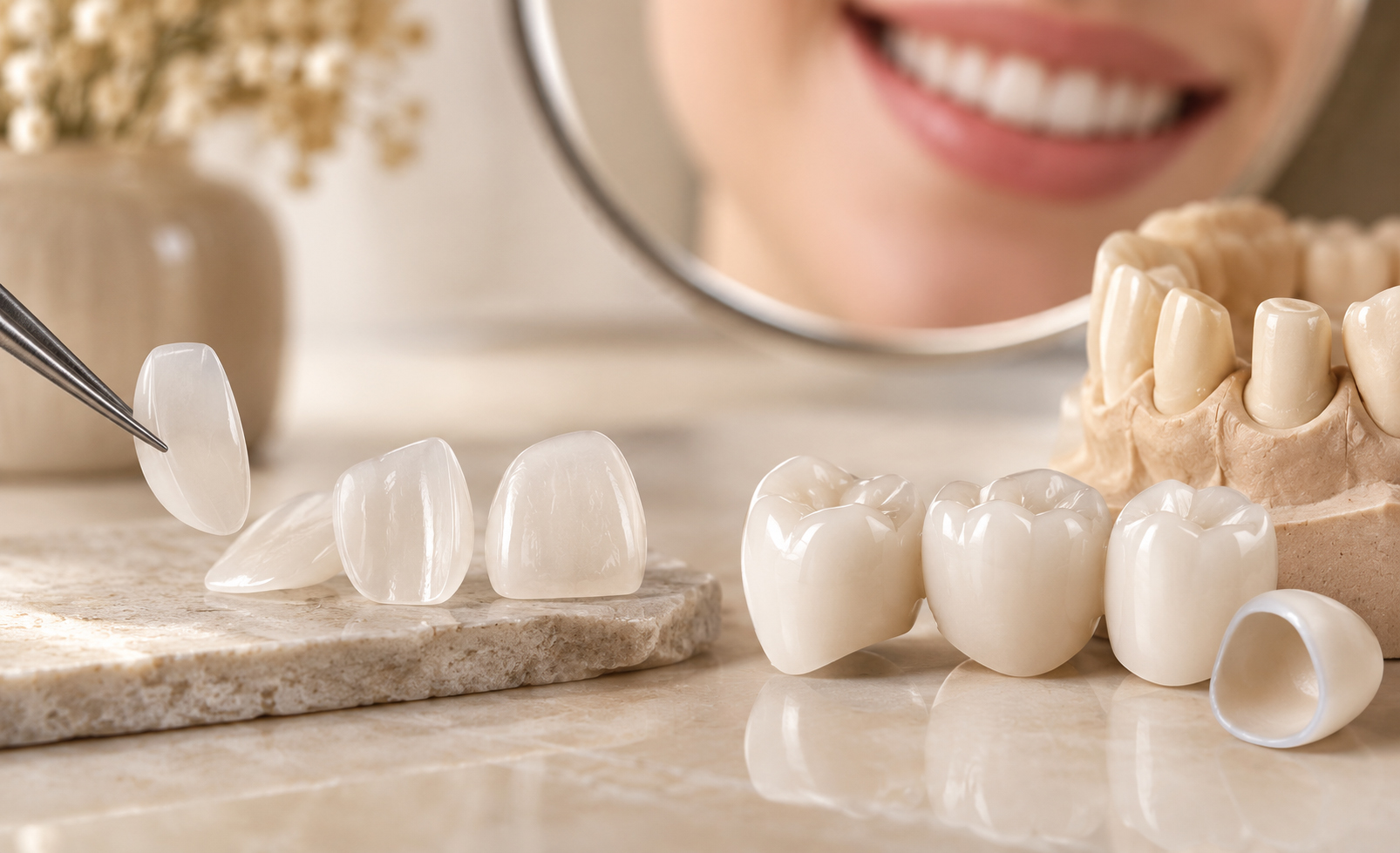
Porcelain veneers are thin restorations bonded mainly to the visible front surface of selected teeth. The amount of preparation depends on tooth position, how much colour or shape needs to change, the enamel available, existing restorations and the desired final contour.
Selected teeth may be suitable for very limited or no-preparation veneers. In other situations, simply adding ceramic without creating adequate space can produce excessive bulk, poor contours or hygiene problems.
A conservative approach therefore means matching the preparation to the tooth and restoration, not applying the same “no-prep” or “minimal-prep” label to every case.
Why Crowns Usually Require More Preparation
A crown covers the tooth more extensively than a veneer, so preparation is usually greater. This does not make crowns an inferior treatment. They may be appropriate when a tooth is heavily restored, fractured, structurally weakened or otherwise needs more comprehensive coverage.
Monolithic zirconia is one material that may be used for selected crowns and fixed restorations. The material name itself does not determine whether the tooth needs a crown.
Tooth Preparation Is Irreversible
Natural tooth structure removed during preparation does not grow back. That matters particularly when treatment is elective and aesthetic.
A prepared tooth will continue to need restoration and maintenance over time. Veneers, crowns and bonded restorations may eventually require review, repair or replacement, and the health of the supporting tooth and gums remains important throughout their lifespan.
This is why preserving sound tissue where possible is not simply a cosmetic preference; it is part of long-term dental planning.
Deciding How Much Preparation Is Appropriate
The amount of preparation should be decided tooth by tooth. The dentist considers whether the main problem is colour, position, shape, wear, fracture or structural loss; how much healthy enamel remains; whether there is enough space to add material without over-contouring; whether decay or gum disease is present; how the bite loads the tooth; and whether a less invasive option can meet the same goal.
Different teeth in the same smile may therefore need different treatments. A patient does not necessarily need the same restoration, or the same amount of preparation, across every visible tooth.
No-Prep Veneers Are a Selective Option, Not a Universal Upgrade
No-prep veneers can be appropriate when tooth position, tooth volume, enamel and the intended aesthetic change allow a well-contoured restoration without excessive bulk.
For another tooth, limited preparation may be necessary to create space, improve contour or establish suitable margins. Insisting on zero preparation in an unsuitable case can compromise the result just as unnecessary preparation can remove healthy tissue.
Conservative dentistry is about using no more intervention than the clinical situation requires.
Oral Health Comes Before Cosmetic Preparation
Decay, active gum disease, untreated endodontic problems, cracks or unstable bite-related issues can all change a cosmetic plan. Covering a tooth does not remove the need to diagnose and manage disease.
Gum health also matters because restoration margins and contours interact directly with the periodontal tissues. Cosmetic planning should therefore start with the health and condition of the teeth and gums, not with the choice of a cosmetic material.
Smile Planning at Güler Dent
Güler Dent in Samsun, Turkey considers smile planning within the context of oral health and function. Depending on clinical findings, options may include teeth whitening, aesthetic composite filling or bonding, porcelain laminate veneers, periodontal aesthetic approaches and monolithic zirconia restorations when more extensive prosthetic treatment is appropriate.
The clinic also has its own prosthesis laboratory. This supports prosthetic work but does not determine the treatment choice or the amount of tooth preparation. Those decisions depend on the condition of each tooth rather than on a standard cosmetic package.