Gingivitis and periodontitis are both inflammatory conditions affecting the tissues around the teeth, but they are not the same disease state.
Gingivitis is inflammation limited to the gums, without the attachment and bone loss that define periodontitis. Periodontitis involves loss of the tissues that support the teeth.
Bleeding, redness, swelling and bad breath can occur with either condition, so symptoms alone cannot reliably show whether attachment or bone has been lost. Diagnosis depends on periodontal examination and, when appropriate, dental imaging.
Gingivitis: Inflammation Limited to the Gums
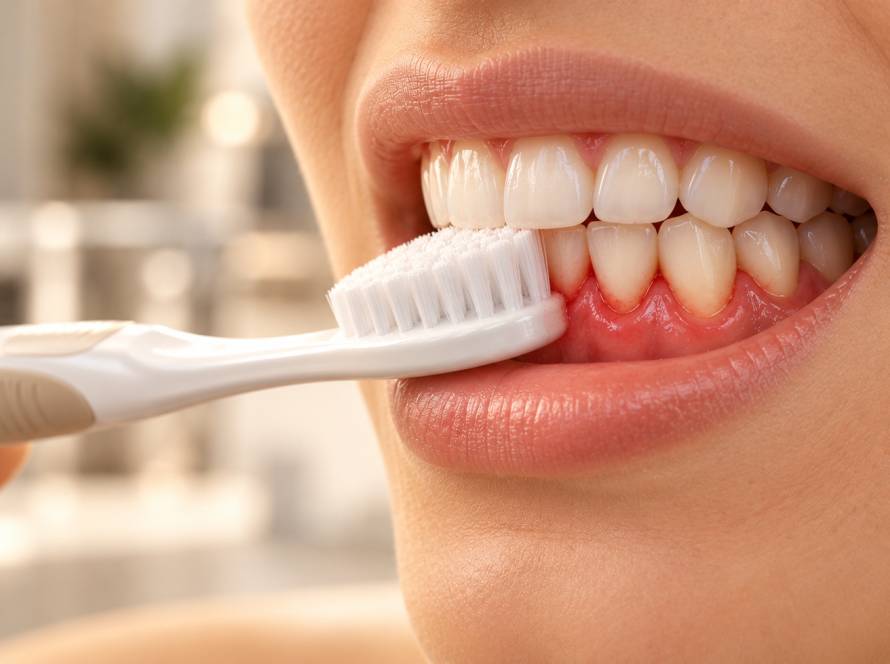
Plaque-related gingivitis affects the gingival tissues without loss of periodontal support. Common findings include redness, swelling, bleeding during brushing or interdental cleaning, tenderness and changes in gum texture.
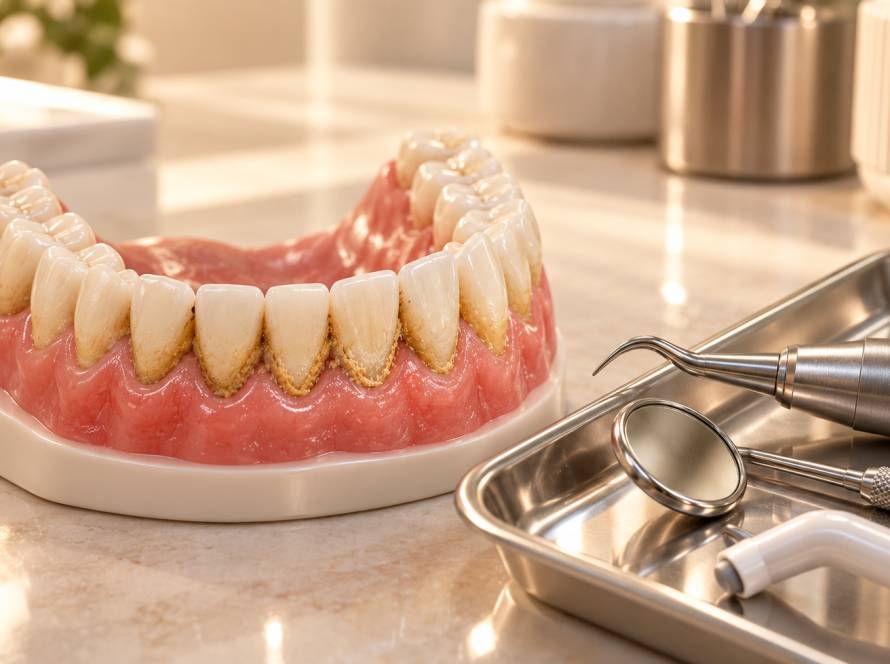
Plaque accumulation is a common driver of the inflammation. When plaque control improves and professional care is provided where needed, plaque-induced gingivitis can often return to periodontal health because the supporting attachment and bone have not been destroyed.
Periodontitis: Loss of Supporting Tissues
Periodontitis is an inflammatory disease in which periodontal attachment and supporting alveolar bone have been lost.
Depending on severity and distribution, it can be associated with deeper periodontal pockets, clinical attachment loss, bone loss, recession, tooth mobility, drifting or spacing of teeth and, in some cases, pus or recurrent periodontal infection.
Periodontitis is therefore not simply “more severe gingivitis”. The defining difference is structural loss of the tissues supporting the tooth.
Why Symptoms Alone Cannot Tell the Difference
Both gingivitis and periodontitis can cause bleeding, redness, swelling and bad breath, and both may cause little or no pain.
More advanced periodontitis can be associated with mobility, larger spaces between teeth, recession or pus, but the absence of these signs does not rule it out. Periodontal disease can progress with relatively few noticeable symptoms.
This is why the amount of bleeding or pain cannot be used to self-diagnose the condition.
Bleeding Does Not Diagnose Periodontitis
Bleeding is an important sign of gingival inflammation, but it does not prove that supporting tissues have been lost.
A person can have gingivitis with bleeding and no periodontitis. A person with periodontitis can also bleed.
The distinction is made by assessing the periodontal attachment, probing findings and supporting bone rather than by the visible amount of bleeding alone.
Gingivitis Does Not Inevitably Become Periodontitis
Gingivitis can precede periodontitis, but not every patient or every inflamed site progresses.
Risk is influenced by plaque control, smoking, diabetes and glycaemic control, individual susceptibility, previous periodontal history and local tooth or restoration factors.
Early gingival inflammation should therefore be treated seriously without presenting progression as inevitable.
Gum Recession Is a Separate Finding
Recession can occur with periodontitis, but it also has other causes, including traumatic brushing, thin gingival tissues, tooth position, local anatomy, previous periodontal treatment and inflammation.
A receding gum line therefore needs assessment but should not be used as a stand-alone diagnosis of periodontitis.
How Gingivitis Is Assessed
Assessment can include plaque levels, gum colour and swelling, bleeding on probing, probing measurements, oral-hygiene habits and local factors that make plaque control difficult.
When inflammation is confined to the gingiva and there is no periodontal attachment or bone loss, the diagnosis may be consistent with gingivitis.
How Periodontitis Is Assessed
Periodontitis requires a broader evaluation of the supporting tissues. This may include probing pocket depths, clinical attachment levels, bleeding on probing, recession, furcation involvement, tooth mobility and the pattern and extent of tissue loss.
Dental radiographs can be used to assess bone levels when clinically indicated. They are interpreted together with the clinical findings because an image shows structural change but does not by itself describe current inflammatory activity.
Stage and Grade in Periodontitis
Once periodontitis has been diagnosed, clinicians may classify it by stage and grade.
Stage describes aspects of severity, complexity and extent, while grade estimates progression risk and can incorporate factors such as smoking and diabetes.
These are clinical classification tools. A patient cannot reliably calculate a stage from an online symptom list or a single X-ray.
Treatment Goals Differ
Management of gingivitis focuses on controlling plaque and inflammation through effective daily cleaning, professional care when required and correction of local factors that make cleaning difficult.
Periodontitis requires treatment directed at the subgingival biofilm and infection, combined with long-term control of risk factors. Depending on the case, this can include non-surgical periodontal therapy and, in selected situations, surgical treatment.
Long-term supportive care remains important because a history of periodontitis continues to influence risk even after the disease is controlled.
Can Periodontitis Be Reversed?
Routine treatment should not be described as returning lost attachment and bone completely to their original state.
The main goals are to control disease, reduce inflammation, improve maintainability and prevent further destruction. Selected regenerative procedures can improve particular periodontal defects, but suitability depends on anatomy and case selection.
The structural loss involved in periodontitis is one of the main reasons its long-term management differs from gingivitis.
When to Have Your Gums Assessed
Repeated bleeding, persistent swelling, gum recession, persistent bad breath, tooth mobility, changes in tooth position, pus or drainage, or a change in the way the teeth fit together should prompt dental or periodontal assessment.
Do not wait for severe pain. Periodontitis can progress with relatively little discomfort.
Periodontal Care at Güler Dent
Periodontology is one of the main clinical service areas at Güler Dent in Samsun, Turkey. Assessment can consider plaque, gum inflammation, periodontal probing findings, supporting tissues, tooth mobility and other risk factors.
Founder Dr. Dt. Şevki Güler graduated from Samsun 19 Mayıs University Faculty of Dentistry and previously served as Head of the Department of Periodontology at Bolu Abant İzzet Baysal University Faculty of Dentistry.
The purpose of evaluation is to determine whether inflammation is limited to the gums or whether periodontal support has been affected and requires a different treatment approach.