A routine dental cleaning and a periodontal “deep cleaning” are not the same treatment.
Routine professional cleaning removes plaque and calculus as part of preventive care and management of gingival inflammation when the supporting tissues have not been affected by periodontitis. “Deep cleaning” is a common patient term for non-surgical periodontal treatment below the gumline, such as scaling and root planing or root-surface debridement.
The decision is based on periodontal findings rather than on how much tartar is visible.
Routine Professional Cleaning
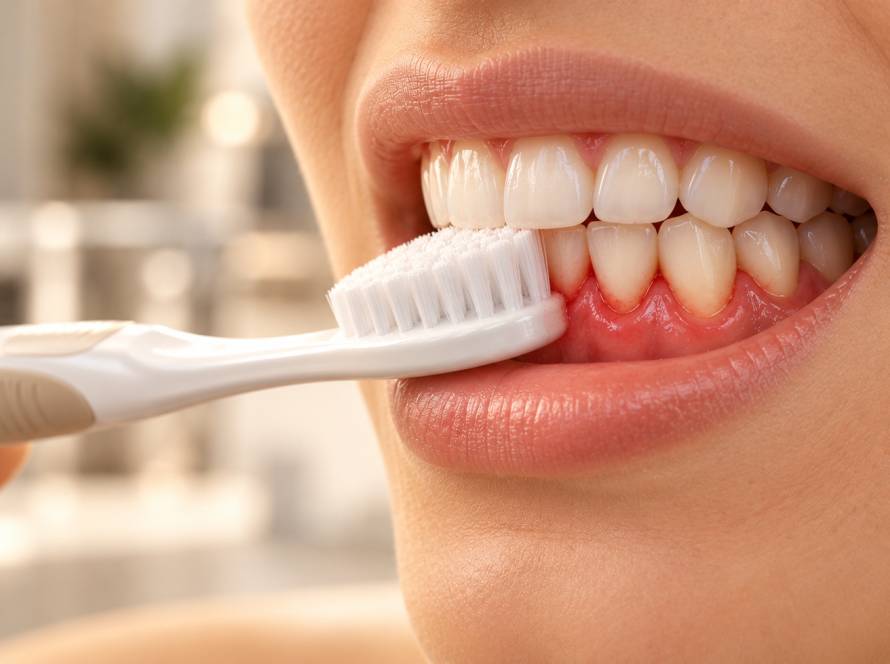
A routine cleaning helps remove plaque and calculus that normal home care cannot eliminate completely. It can include cleaning tooth surfaces above the gumline and accessible areas around the gingival margin.
This type of care may be appropriate for patients with periodontal health or gingivitis when there is no periodontitis-related attachment and bone loss requiring deeper subgingival treatment.
Professional cleaning supports daily oral hygiene but does not replace brushing and interdental cleaning.
What “Deep Cleaning” Usually Means
“Deep cleaning” is not a precise diagnostic term. In everyday dental language, it generally refers to non-surgical periodontal treatment directed below the gumline.
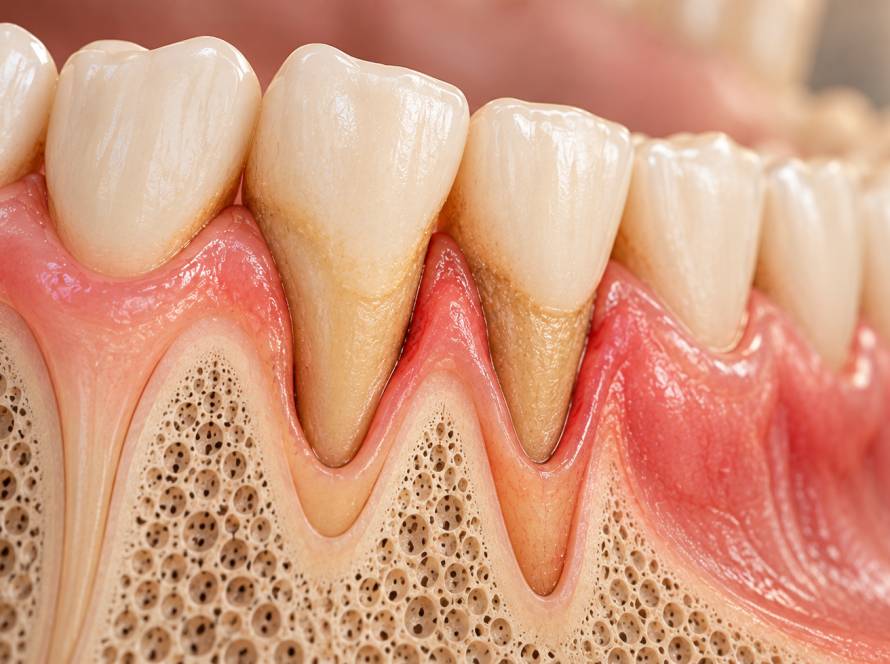
The treatment can include scaling and root-surface instrumentation to disrupt and remove subgingival plaque, biofilm and calculus. Its purpose is to treat a diseased periodontal environment rather than simply polish the teeth more thoroughly.
Modern periodontal terminology may also use phrases such as subgingival instrumentation or root-surface debridement.
Scaling and Root Planing
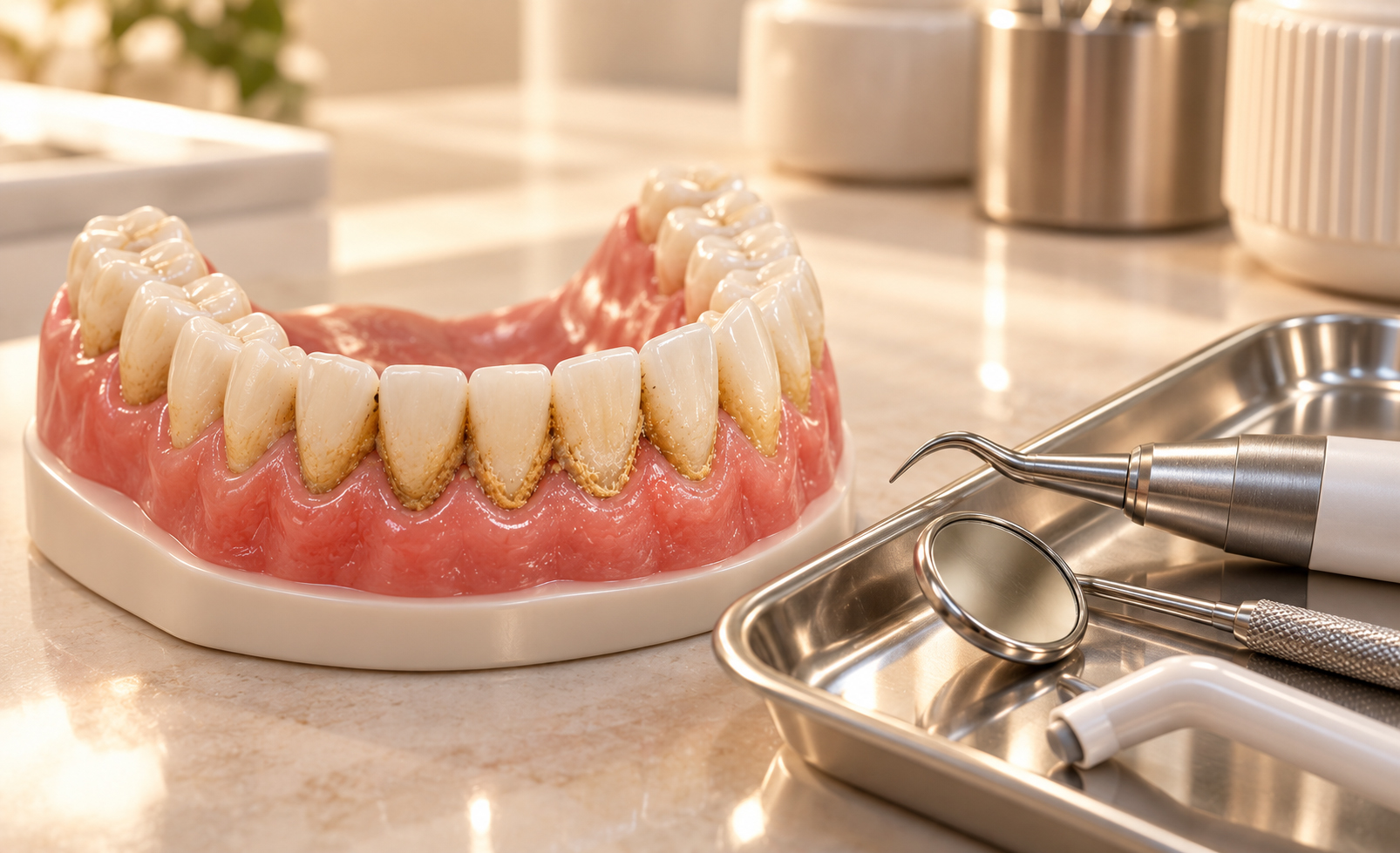
Scaling removes plaque and calculus from tooth and root surfaces. Root planing is a traditional term for instrumentation of contaminated root surfaces.
The clinical goal is to reduce the bacterial deposits and inflammatory burden associated with periodontal pockets and to create conditions that can be maintained more effectively.
The exact technique and extent depend on the disease pattern and the areas affected.
Treatment Is Not Decided by Visible Tartar Alone
Subgingival calculus is relevant, but the periodontal diagnosis guides treatment.
A patient can have substantial visible calculus without advanced periodontitis. Another patient may have periodontal attachment and bone loss even when there is little dramatic tartar above the gumline.
This is why treatment cannot be selected from appearance alone.
How the Dentist Decides Which Treatment Is Needed
Periodontal assessment can include bleeding on probing, probing pocket depths, clinical attachment levels, recession, plaque and calculus, tooth mobility, furcation involvement, bone levels on radiographs when indicated, smoking, diabetes and previous periodontal history.
A routine cleaning is not converted into a “deep clean” simply because the gums bleed. Conversely, established periodontitis may require more than a surface cleaning even when the teeth look relatively clean.
The distinction comes from the condition of the supporting tissues.
Bleeding Does Not Automatically Mean Deep Cleaning
Bleeding can occur with gingivitis, periodontitis and local trauma.
It tells the clinician that inflammation may be present, but it does not prove that attachment and bone have been lost. Periodontal examination is therefore necessary before deciding whether routine cleaning or periodontal treatment is appropriate.
Deep Cleaning Is Only One Part of Periodontitis Care
Subgingival instrumentation can be an important part of non-surgical periodontitis treatment, but periodontal care is broader than instrumentation alone.
It may also include oral-hygiene instruction, control of plaque-retentive factors, smoking-risk management, review of diabetes and other risk factors, re-evaluation after initial treatment, supportive periodontal maintenance and selected surgical treatment when non-surgical therapy is insufficient.
The plan reflects disease severity, distribution and response to treatment.
Cleaning Does Not Cause Healthy Teeth to Become Loose
Professional cleaning does not remove healthy periodontal support.
In advanced periodontitis, calculus can surround teeth that have already lost bone and attachment. Once deposits are removed and inflammation reduces, pre-existing mobility or spaces may become more noticeable.
This does not mean that calculus was supporting the teeth or that cleaning caused the underlying bone loss.
Sensitivity After Periodontal Instrumentation
Temporary sensitivity can occur after subgingival treatment, particularly where root surfaces become more exposed as inflammation decreases.
Sensitivity should be monitored in context. Severe, persistent or worsening pain should be assessed rather than assumed to be normal.
Management can be adapted to the individual clinical situation.
Re-Evaluation and Maintenance
There is no universal number of appointments for periodontal treatment. Initial therapy may be completed in one or several visits depending on how many areas are involved, anaesthesia needs and the treatment plan.
More importantly, periodontitis is not considered “finished” after one deep-cleaning session. The tissues need to be reassessed, with attention to bleeding, pocket depths, oral hygiene, tissue response, mobility and residual problem areas.
If disease remains in specific sites, additional non-surgical or surgical treatment may be considered. Long-term supportive periodontal care remains part of disease control.
Periodontal Care at Güler Dent
Periodontology is one of the main clinical service areas at Güler Dent in Samsun, Turkey.
Assessment can distinguish between plaque and calculus control suitable for routine cleaning and periodontal disease that requires deeper subgingival treatment.
The treatment scope is determined by the condition of the gums and supporting tissues rather than by using the same cleaning procedure for every patient.