Smile Makeover in Turkey: Treatment Planning at Güler Dent
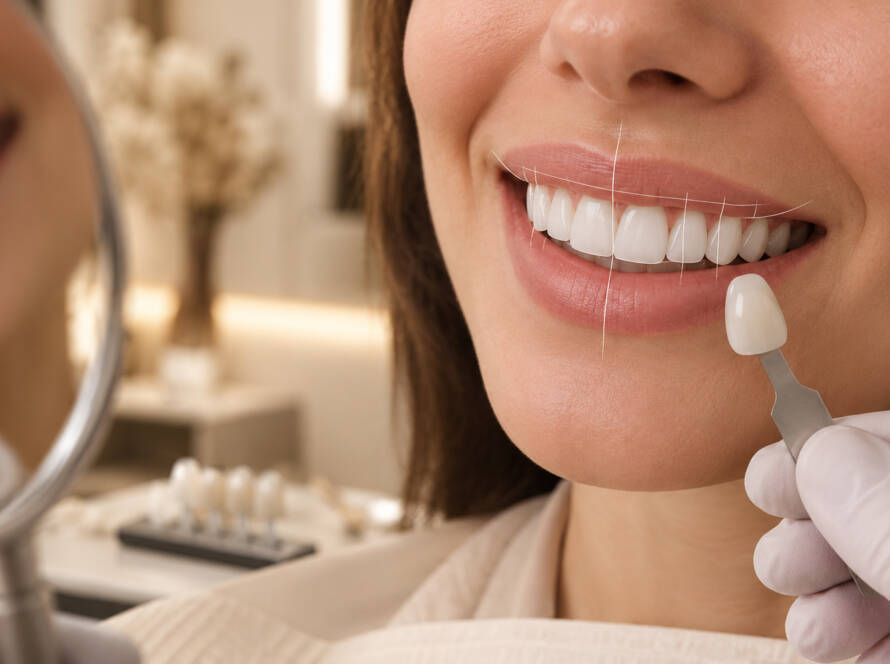
A smile makeover is not one standard procedure and should not begin with a preselected number of veneers or crowns. It is a treatment-planning approach that considers tooth colour, shape, size and position together with gum levels, existing restorations, the bite, oral health and the person’s aesthetic goals.
Contents
ToggleFor someone considering a smile makeover in Turkey, an important distinction is whether the desired change can be achieved with a more conservative treatment or whether a restorative procedure is clinically justified. Whitening, composite bonding, porcelain laminate veneers, monolithic zirconia restorations, periodontal aesthetic procedures and, where relevant, implant-supported prosthetic options can address different problems. They are not interchangeable treatments.
At Güler Dent in Atakum, Samsun, Turkey, smile planning is considered within overall oral health and function. The clinic has its own prosthesis laboratory. Production time, the number of appointments and the aesthetic result depend on the individual treatment plan.
What Is a Smile Makeover?
A smile makeover combines clinical assessment with aesthetic planning. The aim is not to apply one “ideal smile” to every person, but to identify which features are responsible for the concern and which treatment, if any, is appropriate.
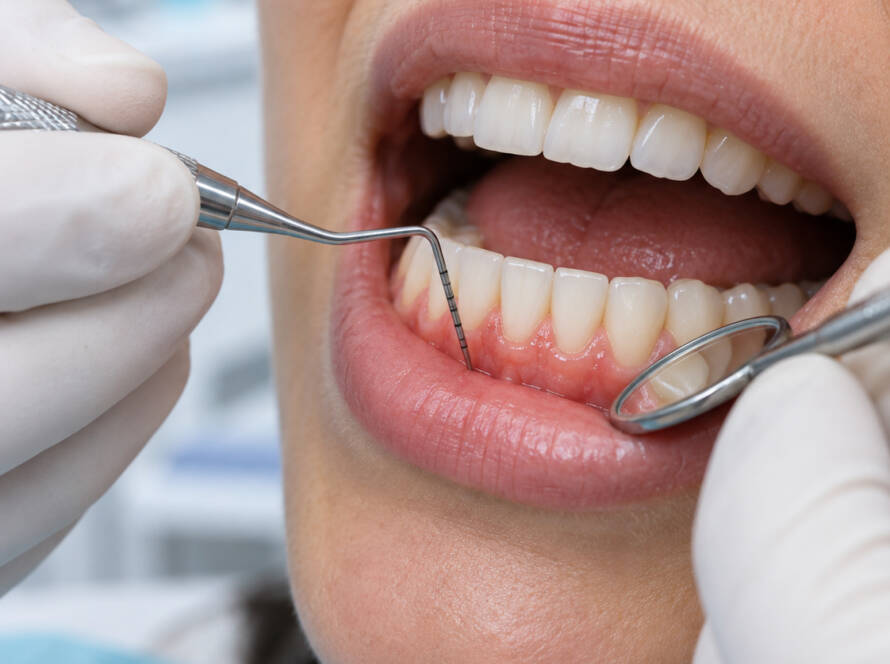
The assessment may consider tooth colour and proportions, chips or wear, spaces, existing fillings and crowns, gum levels, the amount of tooth and gum shown when smiling, and the way the teeth meet.
Healthy tooth structure matters. If a goal can be reached with a less invasive option, removing additional healthy tissue solely to create a more extensive restoration may not be justified.
How Is a Smile Makeover Planned?
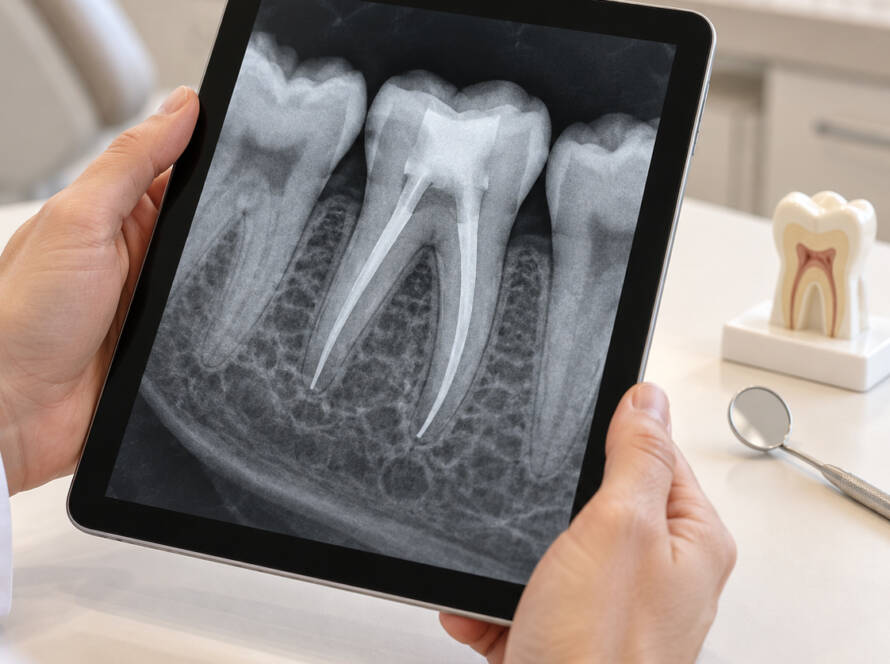
Planning begins with the reason for the patient’s concern rather than with a preselected material. Clinical assessment considers the teeth, existing restorations, gum health, smile line, tooth proportions, bite and the amount of healthy tooth structure that would need to be altered for each option.
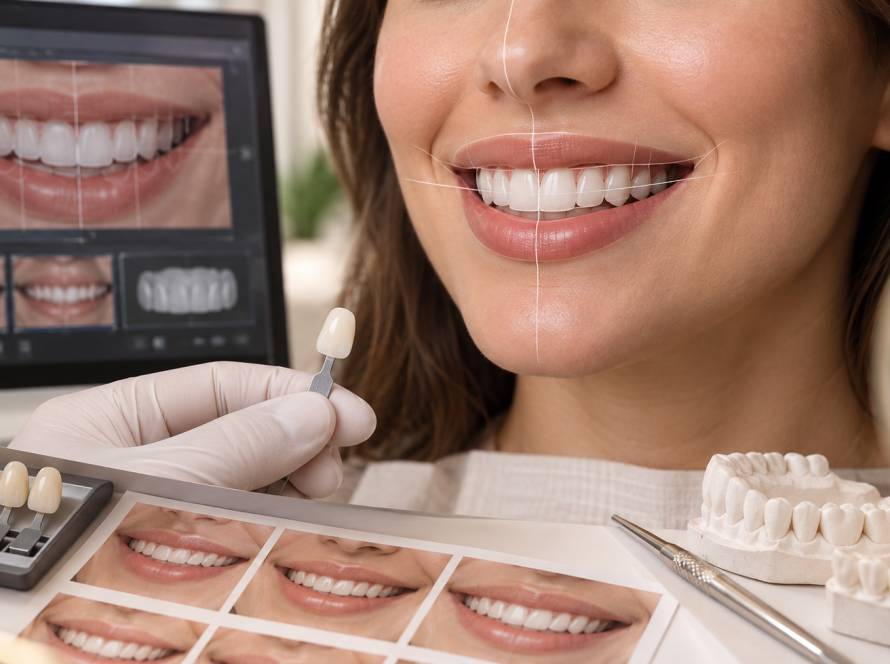
Records such as photographs, impressions or digital scans may be used when clinically appropriate to help compare shape, proportion and restorative options. Digital planning or simulation can be useful for communication, but it should not be presented as a guarantee that the final appearance will be identical to a preview. The final plan still depends on clinical findings, material behaviour and the response of the teeth and gums.
Where several treatments are being considered, sequencing matters. Whitening may influence shade selection for later restorations; periodontal inflammation may need to be controlled before definitive aesthetic work; and teeth that require endodontic or structural treatment should be stabilised before elective cosmetic restorations are finalised.
Which Treatments May Be Considered?
Teeth Whitening
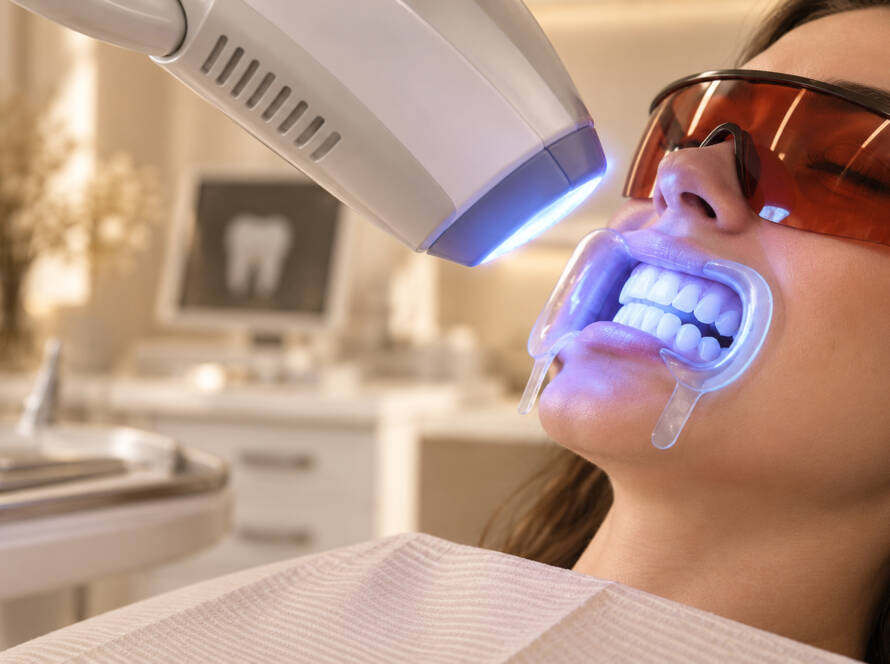
Whitening may be considered when the main concern is the colour of natural teeth and oral health is suitable. It can lighten natural tooth structure but does not change tooth shape, close spaces or restore damaged tooth structure. Existing tooth-coloured fillings, crowns, veneers and implant restorations do not whiten in the same way, so visible restorations may need to be considered when a new shade is planned. Whitening is therefore different from bonding, veneers or crowns: it changes colour without covering the tooth, but it cannot correct structural or form-related problems that require restorative treatment.
Composite Bonding
Composite bonding can add tooth-coloured material to selected areas to address some small chips, shape differences or spaces. It may be a conservative option in suitable cases because treatment can sometimes be achieved by adding material rather than covering the whole tooth. Because it is a direct composite restoration, localised wear, staining or chipping may sometimes be managed by polishing or repair rather than replacing a full-coverage restoration.
Bonding is not suitable for every aesthetic problem. The amount of tooth structure, bite, size of the defect and expected loading influence whether direct composite is appropriate. Larger structural defects, extensive colour changes or situations requiring more complete tooth coverage may need a veneer, crown or another restorative approach after clinical assessment.
Porcelain Laminate Veneers
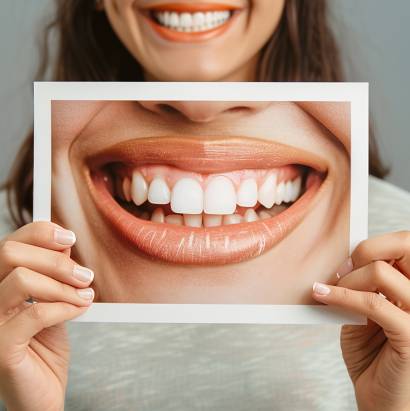
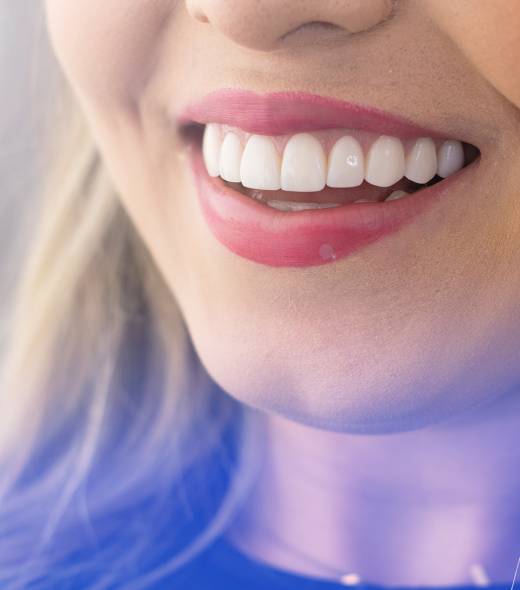
Porcelain laminate veneers are thin restorations bonded to the front surface of selected teeth. They may be considered for certain colour, form, proportion or surface concerns when clinical conditions are suitable.
Veneers should not be presented as “no-prep” or “no shaving” for everyone. Preparation needs vary with tooth position, existing tooth structure, the desired change and the restorative plan. Even limited preparation can be irreversible. Unlike direct composite bonding, porcelain veneers are laboratory-made restorations, so treatment can involve preparation when indicated, records or impressions, laboratory fabrication, try-in and final bonding after fit, contacts, shade and bite have been assessed.
Monolithic Zirconia Restorations
Monolithic zirconia is one of the prosthetic options at Güler Dent. A crown covers more of the tooth than a veneer and may be appropriate when a tooth requires more extensive structural restoration.
Crowns should not be treated as a routine cosmetic substitute for veneers on otherwise healthy teeth. The remaining tooth structure, existing restorations, fractures, bite and functional needs help determine whether a crown is clinically justified. Monolithic zirconia crowns are laboratory-made full-coverage restorations, so planning may include tooth preparation, records or impressions, laboratory manufacture, fit and bite checks and final cementation or attachment according to the case. This differs biologically from whitening or additive bonding because substantially more of the tooth may be covered.
Gum Aesthetics
The gum line can influence smile appearance. Gum asymmetry, excessive gingival display or recession may require periodontal assessment before an aesthetic plan is finalised. “Pink aesthetics” is not one standard cosmetic procedure; it is a broad way of considering gum health, contour and visibility as part of smile planning. If active inflammation or periodontal disease is present, health takes priority over elective aesthetic changes. Where treatment of gum contour or recession is being considered, the indication depends on the cause, tissue anatomy and the wider restorative plan rather than appearance alone.
Veneers, Crowns or Bonding: Why the Difference Matters
Veneers and crowns can both change the appearance of teeth, but they involve different amounts of tooth coverage and preparation.
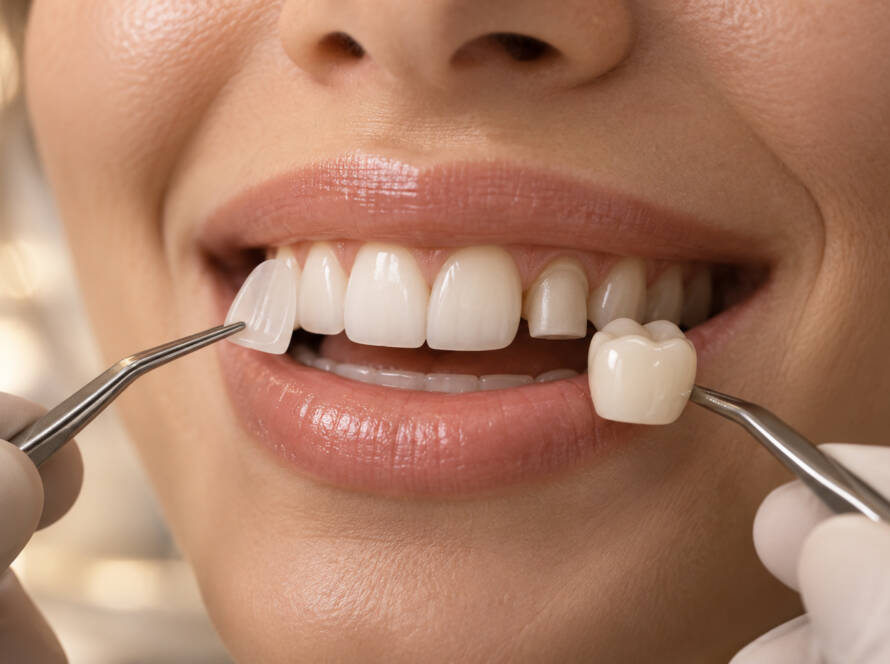
Bonding adds direct composite to selected areas. A veneer covers mainly the front surface of a tooth. A crown covers the tooth more extensively and generally requires greater tooth preparation. The appropriate option depends on what is wrong with the tooth, how much healthy tissue remains and what functional loads the restoration must manage.
The best starting point is to assess your teeth and discuss the changes you want, rather than choosing a preset treatment package.
Oral Health Comes Before Cosmetic Treatment
Active decay, gum inflammation, untreated periodontal disease, endodontic problems or unstable bite-related issues can affect aesthetic treatment planning. Treating appearance without addressing relevant disease can compromise the overall plan.
This is also why a person who wants veneers or crowns may first need restorative, periodontal or endodontic assessment. Not everyone needs these additional treatments; they are considered only when the findings indicate them.
Making a Safe Treatment Decision About Cosmetic Dentistry in Turkey
Before agreeing to cosmetic dental treatment, ask whether veneers, crowns or a more conservative option would be appropriate for each tooth. The reasons for any proposed tooth preparation should be explained clearly.
If a tooth is healthy and the goal is limited to colour, contour or a small space, a more conservative option may sometimes be possible. If a crown is proposed, the reason for full coverage should be clinically clear because crown preparation is more extensive than bonding or a veneer. A treatment plan should therefore explain the problem being treated, the alternatives and the trade-off between appearance, tooth preservation, function and long-term maintenance.
What Can a Smile Makeover Change — and What Can It Not Guarantee?
Different treatments change different features. Whitening targets tooth colour. Bonding and veneers can change selected aspects of tooth form. Crowns can restore teeth that need more extensive coverage. Periodontal procedures can address certain gum-related concerns.
No treatment can guarantee a particular celebrity smile, exact shade, lifelong result or identical appearance in every person. Facial proportions, natural tooth and gum anatomy, bite, material behaviour and maintenance all influence the result.
Comparing Smile Makeover Plans and Costs
“Smile makeover cost” is not a single-procedure price because plans can contain very different treatments and numbers of teeth. Cost can change with the use of whitening, direct composite bonding, veneers, crowns, periodontal treatment, management of existing disease, implant-supported work and the laboratory stages required for indirect restorations.
When comparing treatment plans, check which teeth will be treated and how. Ask how much preparation is needed, whether any dental problems must be addressed first, which materials are proposed and what care or repairs might be needed in future.
Functional Factors and Long-Term Limitations
Aesthetic planning also has a functional side. Bite relationships, heavy chewing forces and clenching or grinding can affect natural teeth as well as composite and ceramic restorations. Marked bruxism can increase the risk of wear, chipping or fracture, so these findings need to be considered when deciding how much tooth structure to alter and which restoration is appropriate.
No smile makeover method is maintenance-free. Composite may require polishing or repair, while veneers and crowns depend on healthy margins, periodontal stability and an acceptable bite. Treatment should therefore balance the desired appearance with preservation of sound tooth structure, function and the possibility that restorations may need maintenance, repair or replacement in the future.
How Long Does a Smile Makeover Take?
There is no single duration for “smile design” because it is not one procedure. A plan based mainly on whitening or limited bonding is different from one involving veneers, crowns, periodontal treatment, endodontics or implant-supported restorations.
The relevant question is which procedures are actually indicated and how they need to be sequenced. Treatment time and the number of appointments therefore depend on the final clinical plan.
Planning Treatment Abroad and After Returning Home
The number of clinical stages depends on what the smile plan actually contains. Whitening or limited bonding has a different sequence from treatment involving laboratory-made veneers or crowns, periodontal procedures, endodontic treatment or implant-supported restorations. Where laboratory-made restorations are involved, assessment, preparation when indicated, records, try-in or fit checks and final review can all affect the schedule.
After returning home, new pain, persistent sensitivity, a fracture, a loose restoration, difficulty biting or changes around the gums should be assessed rather than treated as an expected part of a cosmetic result. The appropriate response depends on the procedure and the cause.
Care and Maintenance
Maintenance depends on the treatments performed. Natural teeth and gums still require routine oral hygiene. Composite restorations may need polishing or repair over time; ceramic restorations also require attention to gum health, bite and oral hygiene.
New pain, persistent sensitivity, fracture, mobility or changes around the gums should be assessed rather than assumed to be a normal part of cosmetic treatment.
Smile Makeover Planning at Güler Dent
Güler Dent Ağız ve Diş Sağlığı Polikliniği was founded in Samsun in 2021 by Dr. Dt. Şevki Güler. The clinic’s treatment philosophy considers oral health as a whole rather than treating appearance in isolation.
Smiles Shaped by Science, Experience, and Trust
Smile-related options include teeth whitening, aesthetic composite filling/bonding, porcelain laminate veneers, monolithic zirconia, periodontal “pink aesthetic” approaches and implant-supported prosthetic solutions when clinically appropriate. The clinic also has its own prosthesis laboratory.
Frequently Asked Questions
Is a smile makeover the same as veneers?
No. Veneers are one possible treatment. A smile makeover may involve whitening, bonding, veneers, crowns, periodontal treatment or other clinically appropriate combinations.
Do teeth always need to be shaved for a smile makeover?
No. Some treatments involve no tooth preparation, while veneers and crowns may require preparation depending on the case. Crowns generally involve more tooth coverage than veneers.
Are crowns and veneers the same?
No. Veneers mainly cover the front surface; crowns cover the tooth more extensively and are used for different clinical indications.
Can whitening change the colour of crowns or fillings?
No. Whitening affects natural teeth, not existing tooth-coloured restorations in the same way.
Is monolithic zirconia always the best material?
No. Material choice depends on the tooth, restoration design, bite, aesthetic requirements and other clinical factors.
How long does a smile makeover last?
There is no single lifespan for all treatments. Longevity depends on the procedure, oral health, bite, habits, maintenance and material-related factors.
Smile Makeover Consultation in Samsun, Turkey
If you are considering a smile makeover in Turkey, the first step is to identify which changes are actually needed and whether whitening, bonding, veneers, crowns or periodontal care would achieve the goal with an appropriate level of tooth preparation. Where laboratory-made restorations are planned, records, try-in, fit and review stages also need to be considered before travel arrangements are fixed. To discuss an individual smile plan with Güler Dent Ağız ve Diş Sağlığı Polikliniği, contact the clinic at the details below.
- Address: Mimarsinan Mahallesi, Atatürk Boulevard, No: 266, Atakum, Samsun, Turkey
- Phone: +90 552 439 00 01
The appropriate treatment sequence is determined after an individual clinical assessment of the teeth, gums, bite and aesthetic goals.
This page is for general information and does not replace individual diagnosis or treatment planning.